

Blueprints Written in Stone
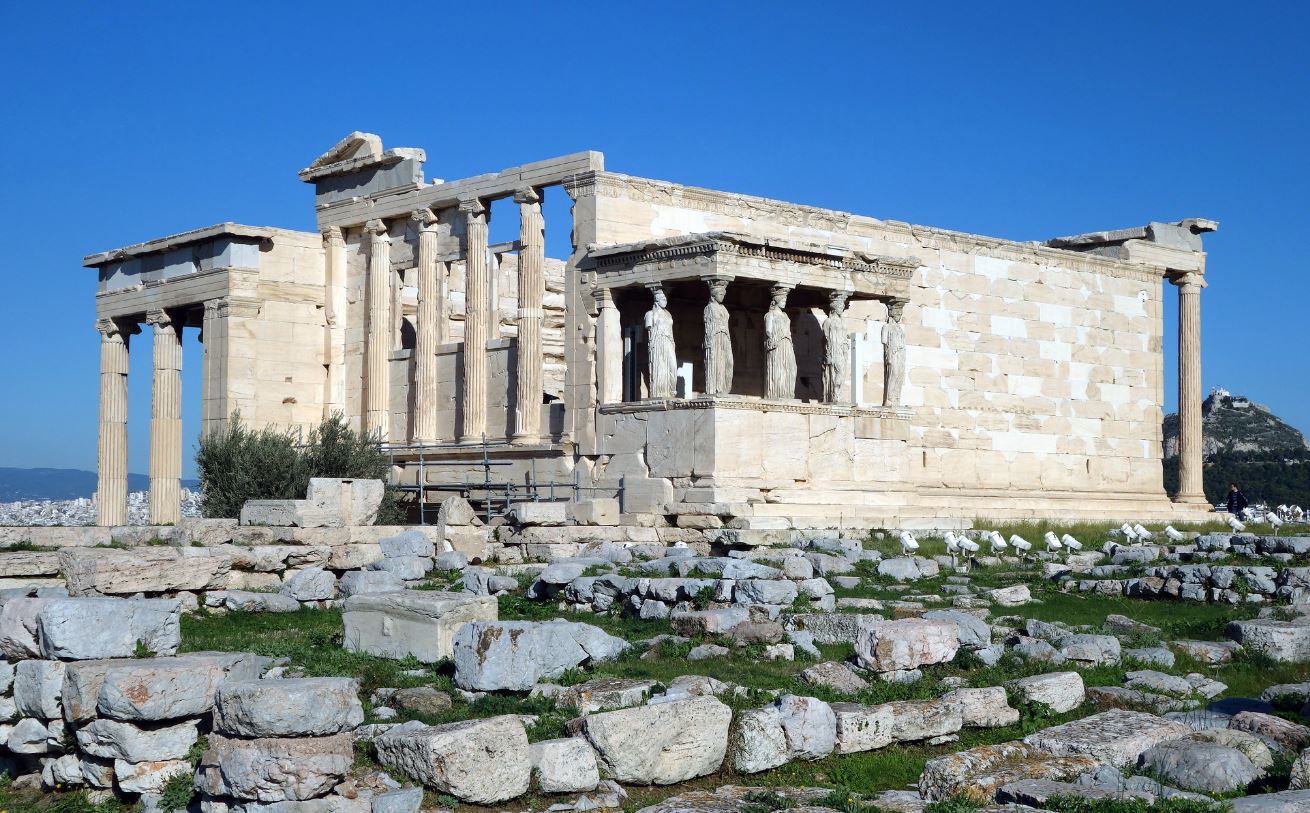
The early builders shaped memory, climate, and ritual through walls, light, and measured ground
Groundwork That Taught Stability
Ancient builders began by reading soil like a ledger, since clay swells, sand flows, and bedrock carries music when tapped with a survey staff. Foundations followed the behavior of the earth beneath them, with stepped footings that gripped slopes, rubble trenches that drained rain, and compacted fills that evened soft patches near rivers. A level surface mattered less than a predictable one, so crews graded with patience, added layers, and checked every corner with cord and plumb. The first stones set the tone for every stone that followed, and the care invested here shielded temples and homes from the tantrums of frost and flood.
Measurement began before masonry, because a shared unit protects neighbors from dispute. Builders stretched cords marked in knots, squared angles with triangles, and watched shadows to test straight lines at noon. Geometry served courtesy as much as structure, since a right corner prevents a crooked claim. Through grounding, cities learned that order is a promise the earth keeps only when humans listen first.
Stone, Brick, Timber, and Earth
Materials decided the look and lifespan of a city, yet people chose them for reasons deeper than surface beauty. Limestone shaped into blocks yielded crisp edges and borrowed light from the sun, while basalt resisted wear on busy steps and roads. Fired brick stacked fast, turned corners clean, and survived flood seasons that humbled raw earth. Timber gave speed to roofs and doors, then vanished when weather punished it, which explains the stone stubbornness of thresholds that still wait for vanished leaves and rafters.
Each material asked for particular tools and rhythms. Quarries taught patience with wedges and levers, brickyards tuned to kilns that sighed through the night, and timber yards marked growth rings that warned of twist or split. Mortar mixed from lime, ash, and sand united unlike partners, while dry stone craft leaned on gravity and friction rather than glue. The variety kept artisans nimble and gave cities a patchwork strength that survived when one supply failed.
Walls That Breathe and Speak
Walls do more than separate, they manage temperature, sound, and light. Thick masonry stores coolness during day and releases it at night, while narrow openings sip breezes without inviting storms. Builders set courses with staggered joints to prevent cracks from marching in straight lines, then added tie stones that stitched facades to inner cores. In noisy markets, walls bent inward to quiet courtyards where families could hear water and laughter instead of carts and argument.
Surface finish shaped character and function. Polished ashlar mirrored authority in palaces, rough rubble comforted workers in lanes, and plaster carried color that signaled faith and festival. Carved inscriptions turned walls into storytellers that taught law, praised generosity, and pointed to the path of procession. Architecture spoke without voice, and citizens learned to read it without ink.
Columns, Beams, and Arches
Vertical supports carried weight to ground, yet their grace carried pride to the eye. Columns rose from bases that spread load, swelled gently to correct optical tricks, and carried capitals that danced between plant and geometry. Timber beams spanned rooms where stone could not afford to fail, and in regions short on trees, corbelled courses stepped inward to close a gap with courage and care. The arrival of the true arch changed scale and ambition, since wedge stones invited long passages, lofty vaults, and bridges that laughed at rivers in flood.
These systems taught a simple truth. Strength grows when pieces press against each other with purpose. The lesson guided bridges of wood and stone, roofs of tile and reed, and every threshold that has survived a thousand feet each day for centuries of dust and rain.
Roofs That Tame Weather
Rain seeks a path, so roofs offered choices. Thatched covers shed water quickly if pitch stood steep, while flat clay roofs welcomed night air and allowed families to sleep beneath stars during heat. Tile systems married beauty with service, since their curved profiles guided water into channels that kissed courtyards with music during sudden storms. Where snow ruled, builders shortened spans and stiffened frames, because weight must move to ground before it moves to ruin.
Under the cover, ceilings mattered. Coffered patterns lightened the burden on beams and pleased the eye, reed mats softened sound in halls that hosted debate, and smoke vents taught fire to leave a room politely. Roofs defined interior climate, yet they also framed the sky as a guest invited into daily life.
Light, Shadow, and the Clock of the Sun
Openings carved in stone managed light like a thoughtful steward. East facing windows coaxed morning into kitchens, high clerestories washed temples with glow that avoided glare, and lattices patterned shade into braided ribbons that slowed the afternoon. Sun tracked time for all who lacked metal hands, so builders set markers that remembered solstice and equinox, then aligned corridors that rewarded festivals with a blade of gold across the floor at one precise hour.
By tuning daylight, rooms acquired purpose. Scribes worked where sky refused to blind them, weavers sat where color stayed true, and judges preferred chambers that calmed anger with soft brightness. Shadow was not an absence, it was a tool that shaped mood and guarded sanity in regions where summer can shout.
Air and Water as Design Partners
Ventilation rides pressure and temperature, so walls and roofs welcomed wind with a plan. Towers pulled hot air upward, shaded courts drew coolness across pools, and twin openings created gentle currents that cleaned smoke without stirring dust. In dry lands, channels slept beneath floors, turning entire homes into instruments that played comfort for those who listened to physics before naming it.
Water arrived through aqueducts, canals, wells, and cisterns that rationed carefully and shared fairly when harvest ran thin. Stone basins wore the polish of a thousand hands, and fountains dissolved the sharp edges of speech in crowded squares. When people elevated water, they elevated civility, since clean supply and quiet drains prevent quarrel better than guards at gates.
Sound in Sacred and Civic Rooms
Speech loses power when it scatters, so halls learned to hold it gently. Curved vaults gathered words and returned them without harshness, stepped seating broke echoes into whispers, and wooden ceilings warmed tone for singers who had only lungs and courage. In courts, architects softened corners and tuned height so testimony could travel to the far bench without strain.
Ritual spaces mixed science with awe. A narrow chamber might amplify a chant into a river of tone, while a broad nave dispersed footsteps into velvet quiet. Music and law both require clarity, and buildings that respect the ear train citizens to prefer reason over noise.
Streets, Squares, and the Art of Meeting
City plans balanced need and chance. Straight avenues lifted processions and speed, while wandering lanes protected shade and surprise. Nodes formed where routes kissed water or market, and from those nodes grew squares that measured friendship by their capacity to host argument without fists. Paving told stories through wear patterns that reveal favorite paths, just as steps polished by knees at shrines reveal prayers counted in millions.
Drainage tucked beneath stone shielded health and pride, since nothing ruins dignity like filth near a doorway. Corner stones carried house marks that guided visitors by symbol when letters were rare, and arcades stretched like kind arms along shop fronts so that rain invited commerce rather than retreat.
Labor, Skill, and the Rhythm of Work
Master builders rose from apprentices who learned to sharpen, to lift, and to judge the sound a true edge makes against a whetstone. Teams divided by task, quarry crews fed masons, carpenters danced with scaffolds, and plasterers arrived late with grace that finished the song. The yard hummed like a hive, with chalk marks, shouted counts, and shared bread that bought an afternoon of extra strength when deadlines pressed.
Payment traveled as grain, beer, and cloth, then as tokens that carried promises from treasuries to markets. Records scratched on potsherds or tablets kept the score honest. Architecture prospered when dignity accompanied toil, because respect holds a wall longer than fear.
Symbols Carved in Durable Language
Monuments speak about power, yet their grammar can be generous or cruel. A gate sized to the person grants welcome, a gate sized to the army grants awe. Reliefs culture pride into patience or into swagger, and the choice leaves fingerprints across centuries. Builders carried myths in stone, not to freeze belief, but to coach memory so children could inherit courage through images when words failed.
Even modest homes practiced symbol. Threshold charms guarded families from envy, painted borders warned pests with smoke and scent, and roof lines wore animal heads that grinned at storms until storms learned manners. Meaning sits quietly in molding and joinery for those who care to look.
Bridges, Roads, and the Long View
Connectivity extends the breath of a city. Roads paved with fitted stone lightened the step of traders and soldiers, while milestones trained distance into a series of small victories. Bridges stitched riverbanks with spans that rested on piers shaped to cut water like blades, and their parapets transformed danger into confidence for tired feet and skittish animals.
Way stations supplied water, shelter, and repair, and the interval between them taught planners how far a loaded cart can go before kindness becomes necessity. Infrastructure is a kind of architecture that lives outdoors, and it ages into legend when it refuses to fail.
Defense That Respected Everyday Life
Walls saved grain and quiet sleep, yet walls could also strangle a town if designed without thought for peace. The best defenses allowed ease inside. Gates doubled as markets at day and as disciplined checkpoints at night, towers watched approaches without bullying the street below, and berms softened hard edges so children could play on slopes that once bristled with spears.
Plans considered retreat lines, water stores, and signal routes to call neighbors when smoke appeared on the horizon. True safety depends on community more than on stone, and architecture that encourages trust makes walls act taller than their height.
Color, Plaster, and the Skin of Buildings
Many ruins look gray because rain and sun have chewed their coats, but in their youth, cities blazed with color. Mineral pigments mixed into lime plaster covered fronts with fields of red, blue, and white that faded slowly and beautifully. Patterns marked districts, while figurative scenes taught stories to passersby who owned no scrolls. Inside, polished stucco borrowed light and carried it into corners that stone alone would starve.
Surface care demanded routine. Crews patched hairline cracks before water widened them, swept salt from coastal walls, and repainted cornices so that civic pride stayed ahead of mildew. Maintenance is the craft that keeps architecture honest when fashion moves on.
Climate Wisdom Hidden in Plain Sight
Regions shaped habits that modern eyes often miss. Courtyards cooled desert homes with shade and fountains, balconies shaded lanes in humid towns where breezes needed help, and raised floors kept wooden posts safe in damp valleys. Thick walls stored seasonal swings like a battery that trades heat and chill with a slow and generous rhythm.
Roofs spoke dialects too. Overhangs guarded entries from sun that bites, eaves captured rain into jars and channels, and stepped parapets granted access for repair during the first break in bad weather. Craft and climate worked as partners, not opponents, which is why many old forms still serve better than unthinking novelty.
From Quarry to City, The Logistics of Stone
Moving mass is a social problem dressed as physics. Ramps rose with the building, sleds slid on wet clay or on logs slick with oil, and rivers turned granite into a polite passenger. Foremen counted, singers set pace for pullers, and rest pauses saved backs that could not be replaced by wish. Marks carved on blocks tracked origin and destination so that a column drum found its family on site without quarrel.
When a piece broke, improvisation saved the day. Dowels stitched fragments, clamps of metal hid within joints, and surplus elements waited in yards for the next puzzle only weather could foresee. Cities grow from a thousand small rescues, not from a single miracle.
Houses for the Living, Houses for the Dead
Tombs copied domestic comforts, sometimes in miniature and sometimes in grand echo, because the line between here and there felt thin to hands that washed and dressed their ancestors. Corridors curled to confuse pests and thieves, chambers stacked to match the rank of those inside, and air shafts taught the ground to breathe so that silence would not feel stale. Funerary architecture organized grief into craft, which gave the living a task when the heart could find none.
Markers above ground guided memory. Stelae carried names, mounds shaped the horizon, and small shrines invited offerings of bread and flowers that kept families returning to the same point on the map of love. Buildings for the dead trained the living to plan for longer spans than a single harvest.
Repair, Reuse, and the Honest Palimpsest
Cities rarely start from scratch. Stones travel from collapsed halls to new thresholds, columns reappear as lintels, and mosaics migrate piece by piece into fresh patterns that surprise even the mason who moves them. Builders negotiated with history at every turn, choosing what to honor and what to redirect. Scar lines stayed visible as a lesson that survival wears stitches with pride.
This thrift was not only economic, it was ecological before that word had a home. Reuse limited quarry scars, shortened supply lines, and taught craftspeople the art of making old parts sing in new keys. The result is a layered city that reads like a long poem with many authors and no final verse.
What Ruins Still Teach
Walk any surviving stair and notice the variance that keeps ankles safe, a gentle rise and run that contradicts the uniform steps of modern glare. Place a palm on a corner stone and feel the cool patience that defies noon, then watch how shadows explain geometry better than diagrams. Ruins are laboratories without roof or tuition, and they still offer seminars in comfort, flow, and grace for those who measure with senses before numbers.
The most valuable lessons arrive quietly. Small windows look large when light is right. Short routes feel long when sound is harsh. A bench placed where breeze and view agree will host conversations that mend quarrels before courts ever hear them. Ancient architecture remains a teacher that charges only attention.
The Next Foundation Begins With Listening
Future builders can borrow the old virtues without copying the old shapes. Read the ground before drawing a line, let air and water advise the plan, and honor the people who will cook, rest, study, and sing within the rooms. Choose materials that invite repair, welcome shade where tempers rise, and leave places for neighbors to meet without purchase or permit. If design keeps faith with climate and with kindness, tomorrow will inherit structures that stand not only because they are strong, but because they are loved.