

Fields Woven With Memory
How early growers learned water, soil, seed, and season, and turned landscapes into living granaries
First Gardens at the Edge of Camp
Archaeology suggests that the earliest plots appeared beside shelters where refuse enriched soil and where cooking fires warmed seedlings, and from these tiny beds people noticed which grasses fattened grains, which legumes sweetened meals, and which tubers returned after a cut, and curiosity became routine as families guarded sprouts the way they guarded fire.
From Gathering to Guarding
Selective harvesting began when foragers kept the fattest ears and dropped them near huts instead of at distant meadows, seed fell where water and waste already gathered, germination rewarded convenience, and a habit formed, then families began to protect these patches from trampling feet and hungry animals, and protection grew into cultivation as fences and watch schedules appeared.
Seed as a Promise
Ancient growers learned to sort seed by size and color, they dried it above smoke to deter insects, and they mapped memory by storing varieties in separate jars with carved marks, since a jar with smooth barley belonged on upland fields while a jar with tougher barley endured valley storms, and in this way diversity became insurance against surprise.
Soil as a Living Partner
People read soil by taste, touch, and color, grit meant drainage, dark crumb promised strength, and sour smell warned of exhaustion, then ash from hearths and mulch from bedding met manure in quiet piles that steamed under straw, and those warm heaps taught the first lessons in transformation as waste turned into food for roots.
Water That Listened to Channels
Rains arrive when they please, yet fields require rhythm, so ditches braided across flats and carried flood away from tender shoots while side gates bled small currents into thirsty beds, and in dry zones lift devices raised river water into jars and troughs, proving that a calm flow can outwork a violent storm when guided by patient hands.
Calendars Written in Shadow and Birdsong
Before tablets and ink, growers watched the angle of dawn on a hill notch, counted nights between frog choruses, and weighed wind that arrived with certain scents, and from these patterns came sowing days and harvest days that matched plant needs to the dance of light, a bargain renewed each spring by careful observation rather than decree.
Tools That Lengthened the Arm
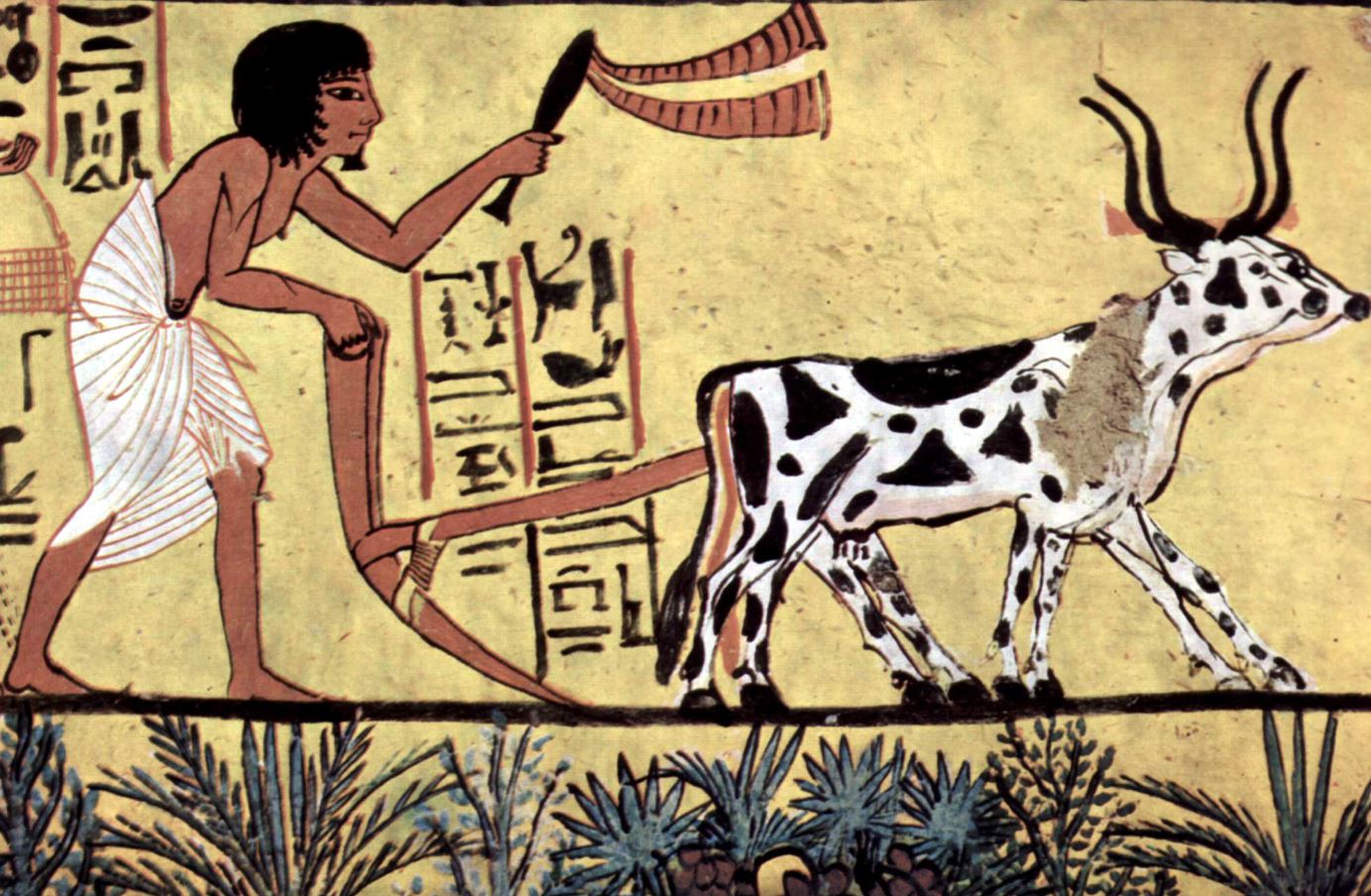
Digging sticks opened earth near roots without tearing them, stone hoes shaved weeds at the surface, and later the ard scratched furrows that guided seed while oxen leaned into yokes that spread weight across muscle and bone, and with each step force moved from back to tool and from tool to animal, multiplying effort without breaking bodies.
Terraces That Taught Hills to Hold Still
On slopes, farmers stitched stone walls into contour lines that slowed rain, caught silt, and turned steep ground into a series of level rooms, and these rooms kept soil safe for centuries, each one a ledger where every storm paid interest in new sediment, and where a mislaid stone warned of neglect before a landslide could speak.
Raised Fields and Floating Gardens
Wetlands invited invention, so earth was piled into long ridges separated by canals that moderated temperature and supplied water gently from the sides, roots drank without drowning, fish and ducks fed on pests, and muck lifted from channels refreshed beds each season, turning marsh into a stable pantry with little need for distant manure.
Rice as an Architect of Community
Paddies demanded shared calendars and water courts, bunds held shallow lakes that mirrored the sky, seedlings moved from nurseries into ankle deep plots, and neighbors rotated flows so that no household suffered dryness or waste, a social technology that balanced labor and schedule as carefully as any machine balances gears.
Wheat, Barley, and the Bread Map
Across dry plains, cereals thrived in winter rain and summer clarity, fields rested under sheep that clipped stubble and returned fertility, mills rose beside streams where stones taught rhythm to flour, and bread became a calendar you could eat, its crust and crumb recording weather and wisdom from seed to oven.
Maize and the Guild of Three Sisters
In the west, maize climbed toward sun while beans curled up its sturdy stems, and squash spread broad leaves that shaded soil and slowed weeds, the trio shared space and labor like friends at a long table, nitrogen moved from bean roots to neighbors, moisture stayed under green shade, and the harvest answered in harmony.
Oils, Fibers, and the Comforts Between Meals
Flax stretched into thread and pressed into oilcakes, sesame and olives yielded rich liquids that brightened stews and lamps, while cotton and hemp softened sleeping places and clothing, which proved that agriculture feeds more than bellies, it clothes bodies, seals jars, calms creaking axles, and lights winter rooms with steady flame.
Pastures, Herders, and Cycles of Return
Herders moved with grass and taught grain farmers the arithmetic of fertility, manure returned to fields in exchange for straw and grain, and agreements about gates and seasons kept peace between hooves and stalks, because a valley thrives when its grass walks during summer and its grain rests under wool during winter.
Weeds as Teachers
Invaders sprouted faster than crops and revealed soil mistakes, lambsquarters loved disturbed ground, dock thrived on wet feet, and their presence served as marginal notes in a field book written by nature, while hoes and mulch and timing answered with edits that improved the manuscript without exhausting the author.
Insects, Birds, and the Politics of Balance
Pest swarms forced growers to watch cycles closely, ducks patrolled paddies, cats guarded granaries, traps and ash barriers slowed crawling mouths, and hedgerows welcomed helpful birds that paid rent in caterpillars, proving that victory comes from arrangement more than from force, and that allies with feathers and paws can make better guards than walls.
Storage as a Second Harvest
Granaries raised floors above ground to let air move and to keep rats from easy climbs, clay bins sealed with lime kept weevils out and aroma in, dried fish stacked with salt traveled seasons without complaint, and smokehouses turned meat into time capsules, so that hunger months shrank and planning months grew.
Fermentation and Invisible Helpers
Grain and grape met water and patient vessels, bubbles rose, flavors deepened, and drink became safer and more portable than raw water in many seasons, while dairy curds found a future in cool caves, and the farm learned that unseen workers can preserve value when guided with clean containers, steady shade, and respect for trial and error.
Ownership, Commons, and the Shape of Fields
Some lands were parceled with markers and names, other lands remained open for grazing and fuel gathering, and councils balanced private diligence with shared need, since a fence can protect grain but a pasture can protect neighbors, and both systems kept peace when rules matched rainfall and custom rather than pride.
Women as Architects of Daily Abundance
Across regions, women saved seed, timed planting, selected varieties for flavor and storage, mastered grinding and fermentation, and carried water that negotiated with field edges every dawn, and many of the most enduring crops owe taste and resilience to their attention, which tuned family survival to the small music of kitchen and garden.
Rituals That Guarded Work
Sowing festivals blessed tools with smoke and song, scarecrows wore old clothes so that fields felt populated even when workers slept, and first fruits returned to shrines or to elders, which trained communities to remember that gratitude feeds courage during thin years and that pride never ripens a single ear.
Trade Routes and the Journey of Seeds
Caravans and canoes carried pulses, fruits, and grains beyond their birthplaces, and along the way farmers swapped tips about soils and pests, adding new players to old fields, and in this exchange cuisine met climate, then adapted, proving that agriculture is a story that invites many authors and still reads as one narrative at table.
Climate Swings and the Art of Backup Plans
Drought or flood tested every method, so growers built redundancies, upland plots waited when river beds failed, late varieties waited when early ones drowned, and stores for seed remained locked until councils agreed that a retry beat a panic, which explains why some settlements survived while richer neighbors vanished from maps.
Salts, Silt, and the Arithmetic of Water
Irrigation brought life and also risk, salts rose when drainage failed, crusts formed, yields fell, and wise stewards opened waste channels and rotated fields long enough for rain to rinse wounds, while other valleys forgot and paid with decline, a lesson carved in white patches that glare even today in dry sun.
Evidence in Charred Seeds and Quiet Pollen
Archaeobotanists float soil to catch light husks, read pollen cores from lakes to map old forests and fields, study plant silica bodies that keep their shapes after leaves vanish, and match tool wear to grains, which allows us to hear the voices of ancient farms through chemistry and pattern where writing stays silent.
Stones That Remember Grinding
Querns and mortars hold microscopic scars that match the starch of millet or wheat, and grooves on their surfaces reveal handedness and rhythm, while piles of worn stones beside old houses mark the years when labor at the hearth equaled effort in the field, an equality often ignored in stories about kings and wars.
Experiment and the Return of Forgotten Taste
Modern growers plant heirloom seeds on test plots, recreate old terraces, and guide cattle across fallow to rebuild thin soil, then they measure flavor, aroma, and shelf life along with yield, learning that resilience and quality often share roots, and that memory, when planted, bears fruit that markets did not know they missed.
Lessons for Today From Very Old Fields
Ancient agriculture teaches patient water, diverse seed, soil that is fed not forced, and communities that schedule fairness as carefully as they schedule harvest, and these lessons scale from backyard beds to river deltas, if planners listen to contour lines, to neighbors, and to the quiet arithmetic of organic matter rising in spring.
Children and the Craft of Continuity
Skills endure when young hands shell beans, taste wild greens, and help stack jars by date, when stories about a dry year and a clever canal arrive at bedtime instead of at crisis, and when schools let gardens speak beside books, because a culture that forgets how to plant forgets how to plan.
The Table That Reaches Across Time
Every loaf, bowl, and cup today carries the imprint of cautious water and careful seed kept safe by people who read clouds and soil with devotion, and if we honor their craft by tending our own plots with restraint and curiosity, then our fields will remain woven with memory, generous in feast, and steady in lean times.