

Earth That Learned to Hold Fire
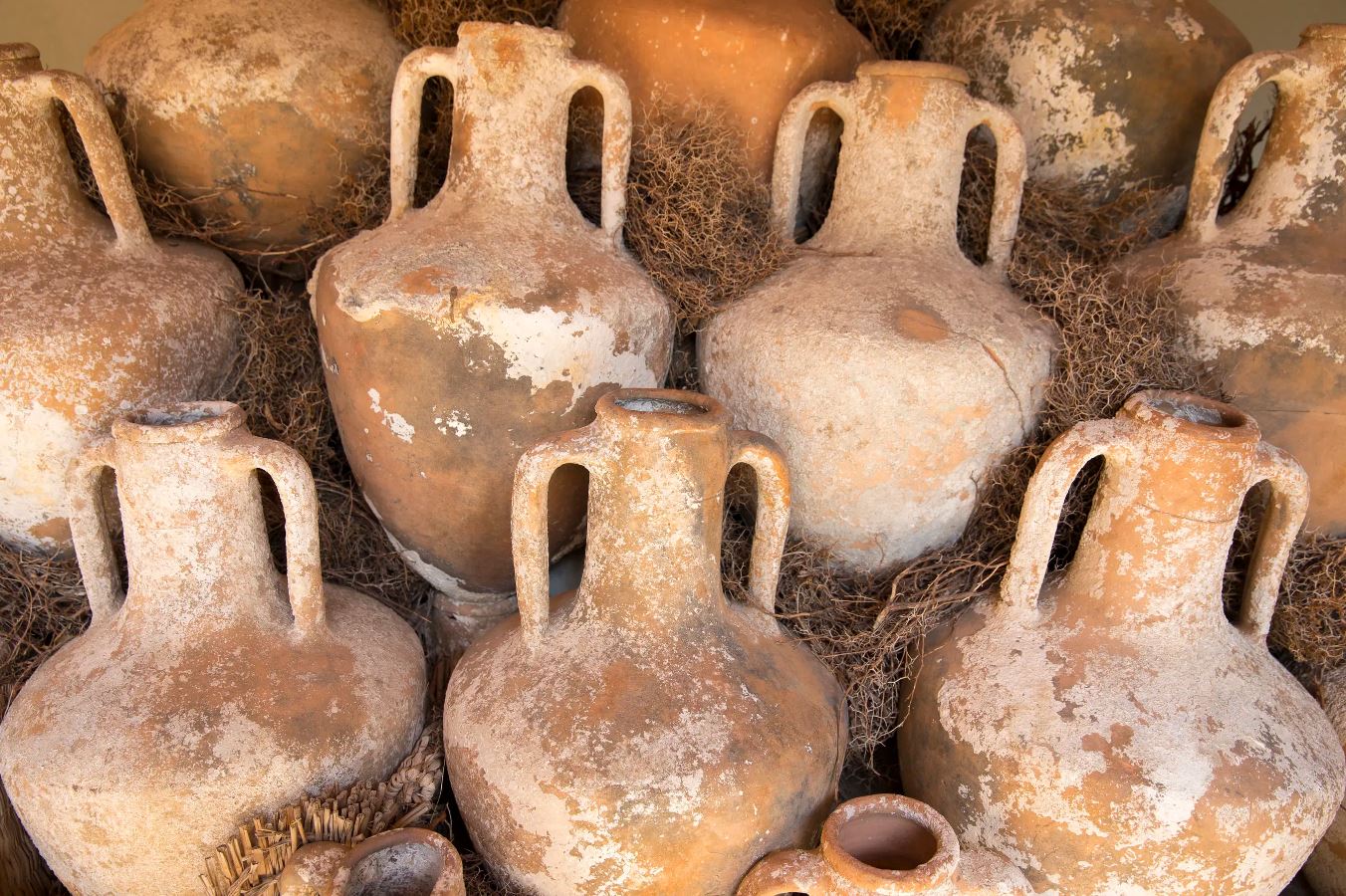
The shaping of clay became the first conversation between soil, flame, and imagination
Before Clay Had a Purpose
Long before the invention of metal or writing, people noticed that riverbanks cracked into hard plates when the sun dried the mud, and when rain softened it again, the earth seemed to yield under touch, pliant and forgiving. Hands that once molded small figures began pressing hollows into lumps to carry seeds or water, and that single change turned curiosity into craft. Each fingerprint pressed into wet earth marked a shift in how humans thought about containment, not as luck of nature but as skill drawn from observation and patience.
The First Fire and the Birth of Permanence
It was likely an accident that transformed temporary clay bowls into lasting vessels. A hearth built too close to drying pots hardened them instead of destroying them, leaving behind objects that resisted crumbling. What had once been fragile became strong, and from that moment the partnership between flame and clay began. Pottery allowed storage, cooking, and trade to grow in complexity, giving form to communities that could now plan for seasons rather than days.
Hand Building and the Language of Touch
Before wheels spun or molds appeared, vessels rose slowly from coiled ropes of clay. Each layer was pressed and smoothed by palms dampened in water. Coiling, pinching, and slab forming were not mere techniques but expressions of rhythm. The pace of construction matched the heartbeat, and the surface of every pot carried the tempo of its maker’s concentration. These methods produced forms both uneven and alive, each vessel slightly tilted or bulged, reflecting human imperfection as beauty rather than flaw.
Clay as Memory of Place
Every deposit of clay carried its own signature, a mixture of minerals shaped by river, mountain, or floodplain. Potters learned to read this language by feel and smell, knowing which clay shrank too much, which cracked under quick heat, and which stayed strong. In every village, clay from the surrounding soil became an archive of geography. When archaeologists dig today, they can trace trade routes and settlements through the chemical fingerprint of clay, each pot a map of where hands once worked.
Water, Air, and Time as Hidden Tools
Pottery demanded patience. Clay needed to dry slowly in air before meeting flame. Too much haste caused explosions in the kiln as trapped steam fought for escape. Craftsmen learned to sense the right moment for firing not by clocks but by the sound of touch, by how clay whispered against skin when moisture had nearly left it. Pottery became a practice in listening, a quiet collaboration between material and maker where error meant starting over from nothing.
From Hearth Pits to Kilns
Open fires gave way to controlled chambers that allowed more consistent heat. The earliest kilns were shallow pits lined with stones, later evolving into domed structures that could retain and circulate warmth. This innovation was not about convenience but about control, the ability to choose color and texture. Smoke patterns, ash deposits, and temperature gradients shaped the final tone of each vessel. A kiln, at its heart, was both laboratory and altar, where transformation happened by the will of patience and flame.
Decoration as Dialogue
Once pottery became durable, it became expressive. Fingernail impressions, reed comb marks, and twisted cord patterns turned function into identity. These decorations carried meanings that words could not. A series of zigzags might symbolize water, while parallel lines could record clan or region. As societies grew, painted slips introduced color. Iron oxide yielded red, manganese made black, and lime produced white. Each pattern communicated belonging, turning pots into storytellers that spoke across generations.
The Wheel and the Revolution of Symmetry
The arrival of the potter’s wheel marked one of humanity’s quiet revolutions. It allowed vessels to rise evenly, balanced by centrifugal force instead of pure muscle memory. For the first time, the human body and mechanical motion merged in creation. The wheel turned labor into meditation, its spinning hum guiding hands that stayed still while the world beneath them moved. This marriage of movement and stillness redefined efficiency, enabling mass production without losing artistry.
Glazes and the Alchemy of Color
When minerals were crushed into powder and brushed onto pots before firing, unexpected magic occurred. Silica fused into glass, sealing porous clay and catching light like frozen water. Early glazes appeared accidentally when ash from wood fires melted against surfaces, creating glossy patches. Over centuries, this accident became deliberate chemistry. Copper gave green, cobalt gave blue, and iron yielded amber. Glazing turned pottery from vessel to art, from craft to reflection of light and science intertwined.
Forms That Followed Function
Shapes evolved with purpose. Shallow bowls suited communal eating, tall jars stored grain away from pests, and narrow-necked amphorae transported wine or oil safely across seas. Handles were not decoration but strategy, guiding grip during pour or carry. Yet even the most practical shapes carried grace. The human eye favors curves that echo the body’s rhythm, and ancient potters intuitively understood that beauty and utility share the same roots when made by honest hands.
Firing as Ceremony
Firing days often became communal events. Villages gathered around the kiln, waiting as flames painted the night sky orange. The crackle of wood, the smell of earth, and the shimmer of heat drew people together, not only to work but to witness creation. When the fire cooled and the first pots emerged intact, a quiet sense of triumph filled the air. Each successful firing was proof that knowledge could be passed without words, that cooperation could conquer fragility.
Trade, Exchange, and the Movement of Ideas
Pottery did more than hold food or drink. It carried culture. Traders transported amphorae filled with oil or spice, and with them went designs, motifs, and firing techniques. A pot made in one valley might bear patterns inspired by another continent. Through such exchange, humanity built its first global conversation, one painted not on parchment but on clay walls that still survive in museum glass long after their makers disappeared.
Broken Shards and What They Reveal
Fragments of pottery, called sherds, form the backbone of archaeology. They outlast wood, cloth, and bone because fired clay resists time. From these pieces, scholars reconstruct diet, trade, and belief systems. Even small variations in temper, such as crushed shell or quartz, reveal adaptation to local resources. In this way, pottery shards are less evidence of destruction and more footprints of persistence, proof that the ordinary can become immortal through accident and endurance.
Iconography and Storytelling on Clay
Some of the earliest narrative art unfolded on vessels. Scenes of harvest, warfare, and mythology circled pots like unwinding scrolls. The curvature of a jar demanded composition that moved with the form, leading viewers to rotate and engage. These images were not static decoration but moving texts, the earliest cinema of gesture and symbol, where every turn of the vessel advanced another frame in the story of the world as it was known then.
Regional Styles and Local Genius
Each culture left its fingerprint on clay. The black-on-red contrasts of the Mediterranean, the geometric boldness of Greek kraters, the burnished polish of Andean jars, and the delicate incisions of Chinese proto-porcelain all tell stories of experimentation. Even within a single region, styles changed with resources and fashion. The texture of a vessel could speak of trade winds or conquest, of collaboration or isolation. Pottery mapped humanity’s diversity better than any monument of stone.
From Household Use to Sacred Offering
As civilizations matured, pottery crossed into ritual. Incense burners, libation bowls, and funerary urns bridged the world of the living with that of the divine. Clay served as the vessel of prayer and remembrance. Even cracked pots retained symbolic power, sometimes buried deliberately as gifts to the earth or gods. The material that came from soil returned to it, completing a circle of reverence that joined craft, life, and belief.
The Silence of the Potter’s Workshop
In every age, the place where clay meets hand has held a particular stillness. The sound of spinning wheels, the soft slap of wet clay, and the hiss of water from a sponge form a rhythm older than written music. Potters learned to listen more than speak, for the material demands attention rather than instruction. That quiet, preserved in the curvature of vessels, lingers even when displayed behind museum glass. Each pot remains an echo of that calm concentration.
Archaeometric Science and Rediscovery
Modern technology allows ancient pottery to speak again. Thin-section microscopy reveals mineral composition, thermoluminescence measures the time since firing, and residue analysis uncovers traces of wine, honey, or oil absorbed into walls. These methods transform fragments into data, giving us not only aesthetic appreciation but scientific insight. The dialogue between art and analysis brings humanity closer to understanding how people once lived, traded, and imagined the world through clay.
Restoration and the Ethics of Repair
Reassembling broken pottery poses both artistic and moral choices. Conservators must decide whether to fill missing areas or leave them visible. Some cultures prefer mending with visible seams, turning fracture into decoration, as in the practice of gilded repair. Others aim for invisibility, seeking wholeness over honesty. Each restored pot becomes a conversation between past damage and present respect, where the line between correction and preservation must be carefully traced.
Teaching Through Reproduction
Replicating ancient pottery offers a path to comprehension no text can provide. Students of archaeology and art history learn by mixing local clays, shaping with primitive tools, and firing in reconstructed kilns. The moment a pot cracks from uneven drying or thermal shock, they understand the ancient potter’s risk and resilience. Reproduction teaches humility and connection, proving that skill lies not in perfection but in harmony with the unpredictable nature of earth and fire.
Modern Resonance and Revival
Contemporary potters still draw from ancient forms, reinterpreting amphorae as sculpture or merging traditional glazes with electric kilns. The continuity of technique bridges millennia. Clay remains democratic, requiring only soil, water, and flame, yet offering infinite variation. Artists today recognize that by shaping clay they participate in the same dialogue their ancestors began, reminding us that creativity is not invention but remembrance made tangible through craft.
What Clay Teaches About Endurance
Pottery endures because it combines fragility and strength in equal measure. It cracks easily, yet once fired, it resists decay better than bone or metal. In its dual nature lies a metaphor for civilization itself, both delicate and lasting. Every shard uncovered carries the warmth of hands that no longer exist, yet their gestures survive in curve, glaze, and thickness. Through clay, the earth remembers us, patiently keeping record of the moment we first learned to hold fire without fear.