

Firelight on the First Roads
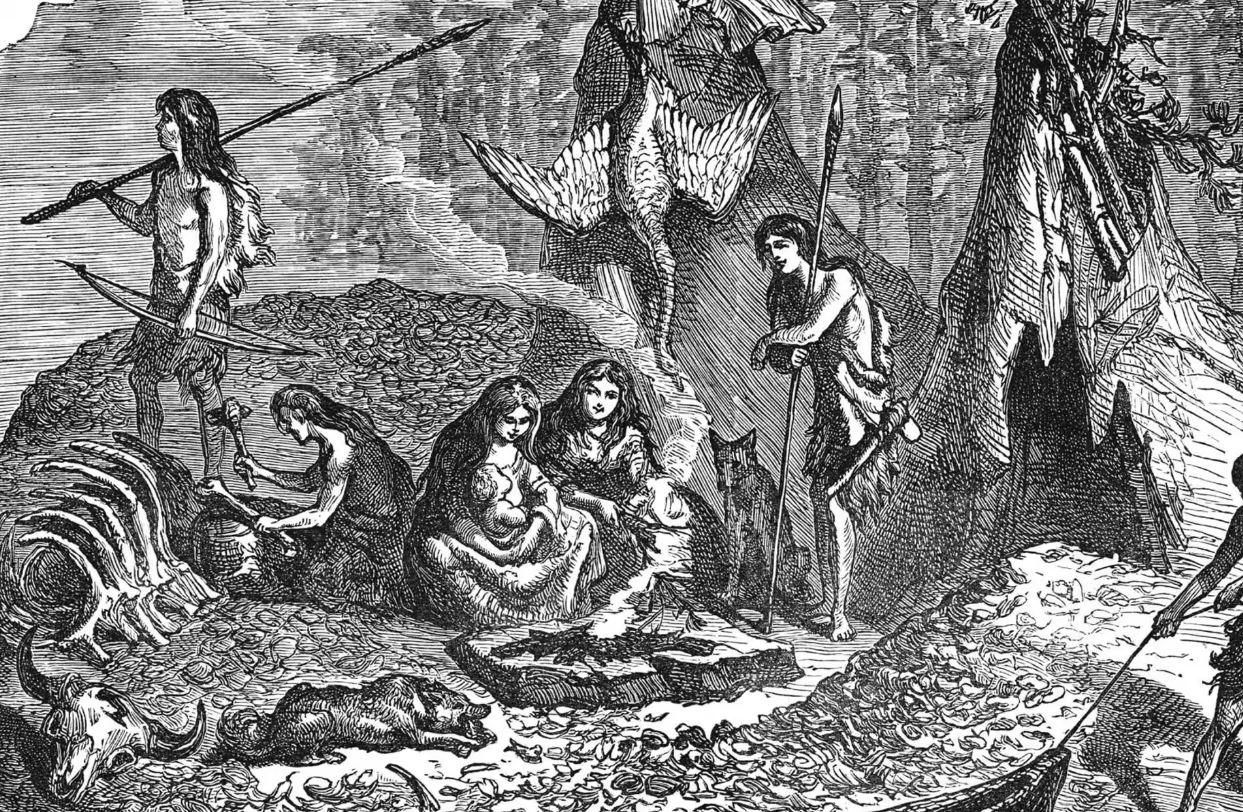
A close look at food, tools, travel, and meaning in the long age before fields and walls
Where the Day Began
Morning in Paleolithic camps started with embers coaxed to flame, with ash brushed aside to warm stones for roots and scraps of meat, and with quiet exchanges about the night sky that still lingered over ridges, because light meant safety, hot water meant movement, and the first tasks set the rhythm for all that followed.
Families That Traveled as One
Bands gathered in groups of a few dozen at most, kin by blood and by choice, sharing labor in patterns that shifted with season and health, and when a grandmother knew a spring or a father recalled a salmon run the path bent toward that knowledge, since memory guided feet as steadily as sun or wind.
Stone That Became Edge
Flint, chert, and obsidian split along bright scars when struck at sharp angles, flakes sheared away with a ring that experienced ears could judge, and the resulting blades sliced hides, shaped points, and scraped marrow rich bones, while broken fragments served again as drills or burins that carved antler and wood into clever fittings.
Fire as Partner and Teacher
Controlled flame dried meat, hardened tips, warmed infants, and frightened predators, and along with comfort it taught patience, because damp wood smokes and sparks, green twigs pop, and only careful stacking gives a steady bed of coals that turns tough tubers sweet and keeps hunters able to move when cold wishes them still.
Paths Woven by Water and Hoof
Routes traced riverbanks, lake edges, and animal trails, with pauses at rock shelters that faced morning light, and over time these repeat visits created way stations marked by scattered flakes, hearths full of cracked stone, and discarded shells, quiet archives that show how mobility stitched distant valleys into a single world of return and renewal.
Gathering That Fed Minds as Well as Bodies
Hands learned each plant by season, leaf shape, taste, and the feeling left on tongue or skin, greens and fruits balanced protein heavy meals, fibers became cord, and resins turned sticky to seal seams, and with every harvest elders taught names and cautions so that children inherited a living library with each basket they helped to fill.
Hunting as Design and Patience
Success came from reading sign more than from speed, tracks told recent stories, droppings and broken twigs added detail, and wind direction shaped approach, then thrusting spears, throwing sticks, or early propelled darts met ribs and muscle only when the group acted as one, encircling or driving with quiet discipline that turned risk into food.
Clothing Made from Time and Skill
Skins scraped with stone blades lost their stubborn layers, smoke and animal fat softened fiber, sinew twisted into thread stitched seams that kept water out and heat in, and decorative cuts or beads announced skill, partnership, or clan, transforming shelter for flesh into a record of care and belonging that walked with its wearer.
Homes that Moved with the Weather
People slept beneath rock ledges, within brush windbreaks, or inside frames of bone and wood that carried hides, and when the herd shifted or berries ripened upriver the camp folded into bundles, leaving only ash and a few broken points, proof that security came from knowledge and friendship more than from heavy walls.
Infants, Elders, and the Circle of Help
Babies rode in slings, nursed often, and slept near fires under shared cloaks, elders advised on technique and plant lore when joints tired, and adolescents fetched water and watched for sparks while learning throws and knots, a chain of care where every person had worth and where survival flowed from cooperation as surely as from tools.
Art That Spoke to Stone and Shadow
Painted animals ran along cave walls in layers of ochre, charcoal, and clay, palm stencils framed paths into darkness, and carved figures from ivory or antler traveled in pouches, not as toys but as reminders that hunters and prey share a world of rules and requests, and that images feed courage when hunger threatens calm.
Music Beside the Coals
Bone flutes, clapped sticks, seed rattles, and rhythm tapped on hollow logs turned night into ceremony, setting pace for stories and for dance that taught children how to move as a group, and these sounds also served practical needs, calming fear, calling partners into step, and masking the random noise that draws unwelcome attention to camp.
Language as the First Technology
Words named places, divided time, and tied cause to effect, a few syllables guided a stalk, a longer tale settled disputes, and metaphors born by firelight allowed people to think about stars and spirits without losing track of the rabbit on the spit, so speech became the tool that all other tools served.
Health Learned from Observation
Healers noticed which herbs quieted fever or soothed stomachs, how washing cuts with clean water prevented swelling, and how rest after strain spared a hunter from weeks of ache, and they set bones with splints of bark and hide, proving that medicine began in careful attention and in the courage to try gentle experiments that kept families whole.
Weather and the Calibration of Risk
Cloud color at dawn, wind that tasted of ocean or snow, and bird flight at strange angles all warned of change, so camps tightened lashings, cached food high, and selected routes with more shelter, because the elements rewarded humility and punished pride, and the wise placed patience above speed when the horizon frowned.
Firestone and the Birth of Planned Flame
When pyrite struck flint a shower of sparks found tinder nests of dry fungus and shredded bark, and tests with different stones and fibers became tradition, with pouches kept at the waist to guard dryness, and from this skill grew independence from lightning struck trees, a freedom that stretched travel and deepened winter confidence.
Glue, Pitch, and the Hidden Strength in Joints
Conifer resin simmered with ash, mixed with plant fibers or beeswax, and applied warm to sockets where stone met wood, and when cooled it held points through throws and strikes, and the same recipe sealed water carriers or patched footwear, a quiet chemistry that multiplied the value of every minute spent gathering on hot afternoons.
Food Stored Against Lean Days
Thin strips of meat hung above smoke, fish dried on racks, berries mashed with fat hardened into portable cakes, and marrow sealed in bone kept for journeys, and these stores allowed new paths to open, since a band that carries time inside its packs can wait out storms or cross dry country without gambling on luck.
Social Rules Without Written Law
Quarrels ended through gifts and through calm voices of older relatives, sharing norms kept envy small, and praise for skill spread wealth of reputation rather than hoard of objects, and a person who broke trust might eat last or travel with another group, a quiet enforcement that kept camps safe without guards or courts.
Footprints in Wet Sand as Text
Children learned to read the ground the way scribes read pages, heel depth revealed haste, toe spread spoke of turns, and the scatter of seeds near a print suggested a foraging stop, so the open world became a book that taught anyone who noticed, a library of mud and dust that did not need shelves.
Sea Coasts as Long Markets
Shell beads, fish hooks of bone, and polished stones from far coves traveled in small exchanges between camps, with alliances refreshed by marriages and visits at seasonal crossings, and all along shorelines the crash of surf mixed with friendly trade talk, proof that mobility brings news as well as calories.
Ice and the Edge of Possibility
Glaciers pushed cold into valleys, but they also shaped new lakes and exposed flint rich beds, and people followed herds along the margins where grass returned in short summers, tailoring clothing with fur inward and layered, and building windbreaks that turned breath into warmth, an economy of heat where nothing was wasted.
Caretaking of Fire and Story by Night Watchers
One or two adults stayed wakeful when others slept, stirring coals, listening for hoof or paw, and holding in memory the news to be told at dawn, and their quiet work protected bodies while shaping the narrative of the next day, since what we choose to recall determines where we walk and with whom.
Play as Training for Hard Skills
Children threw small stones at targets, raced over roots, and mimicked stalks through brush, while elders smiled and offered small corrections, because play builds strength and timing for later hunts, and it also teaches fairness and humor, the social glue that keeps a band together when hunger might otherwise set tempers against one another.
Handprints as Signatures of Presence
Sprayed pigment around a palm left a negative image that said I was here without boasting, and clusters of these marks beside animal figures suggested that community mattered more than any single hero, that success belonged to the group, and that memory requires both image and place to endure beyond a single season.
Rocks That Spoke of Ritual
Arranged stones, caches of red ochre, and burials with tools or ornaments show that people treated death as transition rather than disappearance, and small fires lit beside graves warmed mourners who told stories of the person now gone, binding the living into a promise of care that would be honored when the next winter bit hard.
Adaptations Across Continents
Desert bands traveled by night and sought morning shade, mountain groups tracked goats along ledges with rope of plant fiber, and forest dwellers moved water by gourds and leaves folded into cups, a spectrum of knowledge tuned precisely to local challenges, born from attention rather than from heavy gear.
Exchange of Mates and of Ideas
Visits among neighboring bands reduced sickness by widening gene pools, and during these meetings new knots, new throws, and new recipes for pitch spread quickly, showing that culture grows when respect travels with people, and that the best gifts are skills that fit easily into a pouch but last a lifetime.
Time Kept by Sky and Scar
Moon cycles guided harvests of shellfish and roots, stars named by shape and myth set the season for long walks, and scars on trees or rocks marked returns, a calendar etched by light and by hand that needed no numbers, only a habit of looking up and a habit of caring about tomorrow.
Why Teeth and Bones Tell the Tale
Fossil jaws with heavy wear show tough food and grit in meals, stable isotopes in bone record protein from land or river, and healed fractures reveal care by companions who carried the injured until strength returned, evidence that compassion traveled beside skill wherever people made a campfire glow against dark fields.
Myths That Framed Good Behavior
Stories warned against greed by turning hoarders into lonely figures chased by hunger spirits, praised generosity by linking it to lucky hunts, and explained thunder, eclipse, and flood in terms a child could hold, and while the facts changed with region the purpose remained the same, to raise decent people in a world without written law.
Why Agriculture Could Wait
Mobile bands enjoyed variety that reduced famine, moved when camps soured or when game thinned, and invested in knowledge rather than heavy stores, so for a very long time fields were unnecessary, because the landscape itself was a pantry and the price of that pantry was attention, courtesy, and strong legs.
Lessons for a Crowded Age
The Paleolithic record teaches three durable skills, read the land with care, share what you cannot carry, and keep stories that make good behavior easier than bad, and these remain sound even with cities and wires, because human bodies and minds still answer to firelight, to friendship, and to paths chosen with wisdom rather than haste.
The Camp That Moves but Does Not Vanish
When a band left a valley it took only what it needed and left ash, footprints, and a few bright flakes of stone, yet the place stayed part of them, a page they could read again years later, and in that gentle imprint lies the oldest lesson, live so that return feels like greeting rather than apology.