

Villages Where Hearths Learned to Stay
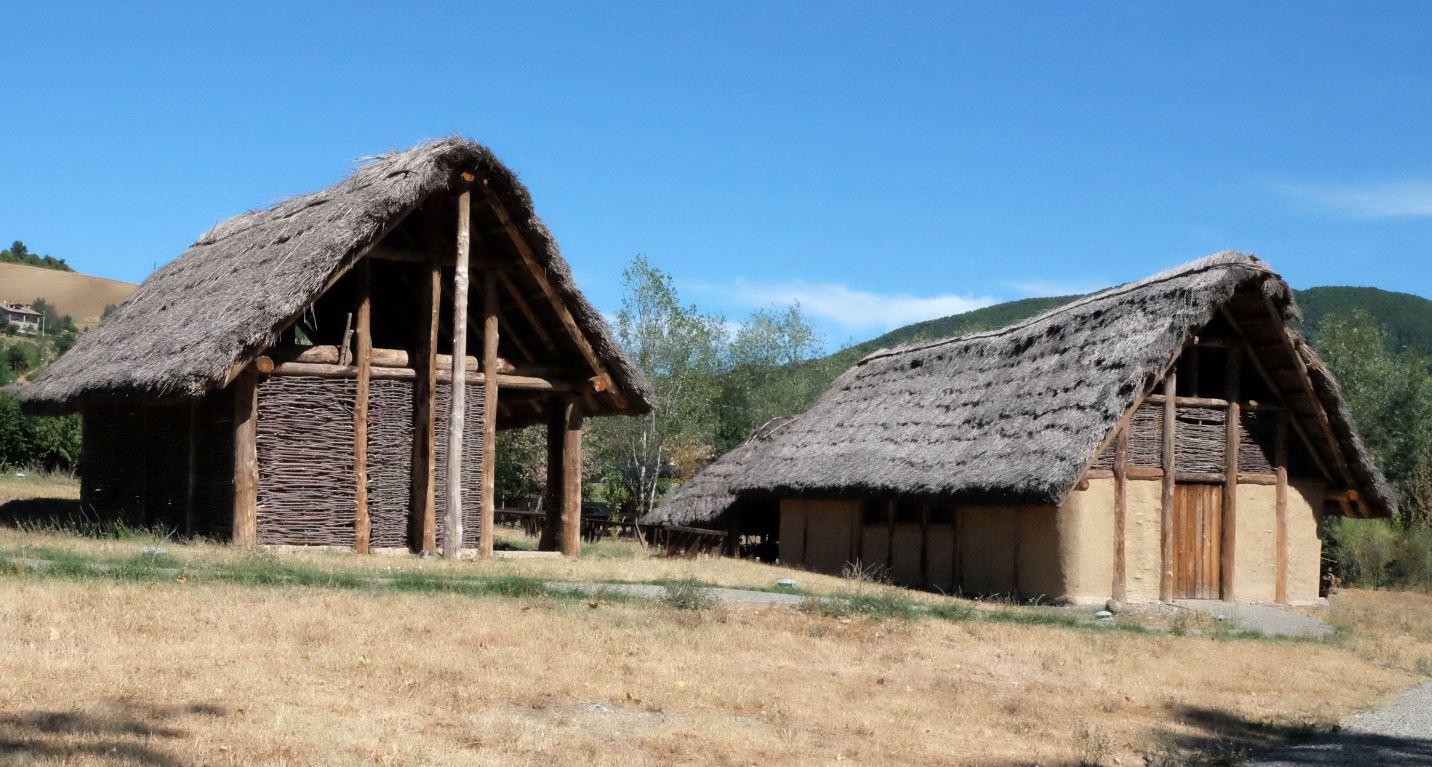
Fields, homes, and shared habits turned shelters into communities that could remember seasons
Choosing a Place that Could Feed and Protect
Settlers searched for land that balanced soil, water, and safety, a terrace above floods but close enough to draw buckets without bruised shoulders, a slope that caught morning sun for warmth, and a breeze that kept smoke from clinging to roofs, and when these conditions aligned a circle of fires began to glow in the same valley year after year.
Walls Raised from Earth and Plant
Builders mixed clay with straw, pressed it over woven branches, and smoothed it by hand until the surface felt like river stone, then floors received wet plaster that polished to a soft shine, and as rains returned each season the same techniques repaired cracks, so the house matured alongside its inhabitants instead of standing as a single finished event.
Roofs that Listened to Weather
Thatch from reeds and cereal stalks layered in thick skirts, rafters braced with forked posts, and smoke holes sat where wind could lift fumes without inviting storms, and families learned which bundles shed water best, storing spare sheaves in lofts so a torn patch could be patched the same afternoon rather than after the next downpour.
Floor Plans that Guided Daily Choreography
Rooms clustered around a hearth that doubled as kitchen and council seat, sleeping platforms rose along walls for warmth, narrow thresholds slowed drafts and visitors, and storage pits sat near the door so grain could be measured without trampling the rest of the home, a modest architecture that arranged motion as carefully as ritual.
Plaster, Lime, and the Shine of Cleanliness
Kilns burned limestone into powder that mixed with water to make quick lime, a pungent slurry painted floors and walls, sealing dust, reflecting light, and easing sweeping, and with every application the house brightened and hardened, a visible promise that care would outlast a single harvest.
Wells, Channels, and the Craft of Water
Near reliable springs workers lined shafts with stone or timber so that sides would not slump, small ditches diverted rain from paths into kitchen gardens, and clay jars kept cool in shaded pits preserved the taste of clean water through hot months, a quiet network that guarded health without grand monuments.
Fields Stitched to the Edge of Town
Bands cleared brush with flaked axes, burned stubble to reset weeds, and pressed seeds into friable soil with sticks tipped by bone, and paths between house and plot soon wore smooth, turning the space outside the walls into a daily classroom where children learned plant names, tool care, and the first facts of patience.
Grain That Taught People to Count
Harvests moved from stalk to sheaf to jar, measures in baskets became tallies on clay tags, and rations for winter turned arithmetic into custom, because a settlement that can portion grain across months can also portion labor, reward, and obligation, a lesson that outlasted the jars that first inspired it.
Herds as Walking Savings
Goats and sheep grazed near walls by day and crowded into pens at night, milk fed infants when crops failed, dung fueled hearths and fertilized plots, and the temper of animals shaped schedules as firmly as planting did, since a village that hears the bell of a lead ewe at dusk learns to end arguments before gates must close.
Storage That Did More Than Store
Subfloor silos lined with clay and basketry sealed grain against damp and nibbling teeth, smoked meat hung from rafters above the warmest part of the room, and clay bins stacked along courtyards became neighborhood ledgers that recorded trust, because families soon knew which households lent and which repaid on time.
Stone, Bone, and the Small Tools of Continuity
Polished adzes planed timbers for door frames, grindstones turned wild grass into flour, bone needles stitched skins, and flint sickles set with tiny blades tore through straw with a crisp whisper, and each tool demanded maintenance in the evening, sharpening as a social hour when news traveled across porches with the rasp of stone on edge.
Fireplaces as Engines of Change
Hearths baked bread, dried pottery, warmed infants, and cured sickness through steam, while ash mixed with animal fat made lye that scoured baskets and hands, and the control of flame became a curriculum that everyone studied, because a careless ember could undo a year of careful building in a single gust.
Paths, Lanes, and the Birth of Address
As houses multiplied, alleys formed by default, sweeping patterns defined courtyards, and common spaces became the skeleton of the town, so that a visitor could find a doorway by reference to a fig tree or a grindstone set in a corner, and soon place names emerged, small words that carried logistics, gossip, and affection.
Markets that Began as Favors
Barter days started when travelers traded obsidian for grain or when potters swapped jars for fleece, and these early exchanges proved that variety grew from distance, encouraging regular visits and the building of shade structures near gates, until a rhythm of gathering reshaped workweeks into cycles of making, walking, and meeting.
Pottery Kilns and the First Neighborhood Industries
Clay beds near river bends gave potters raw material, temper from crushed shell or sand kept walls from cracking, and firing pits matured into small updraft kilns that could bake a load evenly, and with this came jars large enough to stabilize surplus, bowls thin enough to cool quickly, and a local style that strangers could recognize from a hillside away.
Textiles that Turned Plants into Comfort
Flax stalks retted in ponds released fibers that dried into bundles, spindles twisted them into yarn while feet moved pestles at the same time, and simple looms taught hands to count in patterns that later guided calendars and rituals, proof that thread made society feel smoother as well as cloth.
Children as Apprentices to the Village
Play doubled as training, tossing clay balls near the kiln taught heat awareness, small hoes built stamina beside mothers, and storytelling at dusk turned cautionary tales into civic lessons, so that by adolescence a child already held the skills to mend a roof, soothe a goat, and measure grain without wasting a seed.
Elders as Living Archives
Older residents carried the memory of flood heights, frost dates, and rare insect swarms, and their advice settled debates about where to trench a drainage line or when to shift fields, which meant respect had a practical foundation, and disagreement could end with fewer bruised egos and fewer ruined plots.
Conflict Managed by Custom
Arguments over water or boundary stones ended at communal hearths where neutral kin listened, gifts of bread, fleece, or labor often replaced punishment, and feasts repaired torn relationships, because a small town cannot afford many enemies inside its own walls, not with winter always waiting to test unity.
Ritual Spaces that Guarded the Invisible
Courtyards hosted seasonal rites for planting and harvest, small shrines kept tokens near doorways, and burial grounds outside the living quarter linked family stories to the lay of the land, and through these practices residents rehearsed gratitude and humility, two habits that keep a settlement from mistaking power for wisdom.
Art That Carried Work and Wonder Together
Clay figurines, painted walls, and carved beams showed birds, grains, and human hands at work, patterns that mirrored fields and flocks without copying them exactly, and the act of making beauty along with utility reminded everyone that survival deserves celebration, not just calculation.
Health in a World of Neighbors
Clean sweep schedules reduced pests, ash pits and latrine trenches kept pathogens from wells, herbs in doorways discouraged flies, and midwives learned to boil water for births, and when illness did arrive, quarantine meant kindness with distance, a principle that protected both friendship and lungs.
Seasons as the Metronome of Labor
Spring sowed, summer weeded, autumn stored, and winter repaired tools, traded stories, and trained children, and each phase had songs to match cadence, so the work never felt like chaos, it felt like a circle under clear stars that kept time for all who listened.
Timber and Stone with Their Own Personalities
Some woods bent without breaking, perfect for rafters, others resisted rot for door sills, while local stone shaped into querns lasted longer than the couples who used them, and knowing these differences gave a house its tone, a music made of creak, settle, and the occasional contented sigh of rope under load.
Measuring Without Metal
Knotted strings, hand spans, footsteps, and clay counters marked distance, length, and number, and carpenters laid out foundations with cord triangles that made right corners, so geometry lived in wrists and elbows long before it lived in texts, evident each time a roof met a wall at a square that shed rain cleanly.
Adapting to Drought and Flood
Reservoir pits ringed with stone saved rooftop runoff, raised beds lifted roots above saturated soil, and secondary fields on terraces waited for failure in the valley, and by spreading risk across space and method, settlements turned cruel weather into inconvenience rather than catastrophe.
Paths That Reached Beyond the Horizon
Footroads connected hamlets to quarries, pastures, and distant bays, way markers of stacked stones pointed through fog or tall grass, and hospitable customs greeted strangers with water and a place near the embers, so that travel felt less like gamble and more like extended family moving along a long table.
Knowledge Shared Across Region and Time
Traders swapped seed strains, pot shapes, and building tricks, marriage partners carried songs and recipes to new homes, and as decades passed, the region learned to speak a shared dialect of practice, even while each village kept its accent in materials and taste.
Security by Visibility More Than by Walls
Watch points overlooked approaches, dogs barked at unfamiliar steps, and neighbors knew the usual sound of each gate and ladder, which meant that strangers announced themselves and that mischief had fewer shadows to hide in, a model of safety that relied on attention rather than on fortification alone.
Evidence That Still Whispers in Soil
Post holes stain earth with circles of darker soil, burned layers reveal fire or feast, charred grains tell which crops mattered, and shattered pots outline where food once simmered, and through these traces we read the structure of a day that ended thousands of years ago but still feels familiar in the rhythm of chores and talk.
Teaching by Doing and by Watching
Skills passed across hands rather than across parchment, a child learned to twist cord by sharing a stool, a new couple learned to site a door by standing in the morning light and feeling the draft, and in this way instruction cost no coin yet enriched the whole town with competence.
Respect for Limits as Policy
Commons had rules for grazing, woodlots had days for cutting and days for rest, and streams had times when laundry yielded to fish runs, and because people followed these agreements willingly, the settlement grew old instead of hungry, a longevity that deserves to be counted as a first form of law.
Why Settling Did Not Mean Stillness
Villagers stayed through seasons, yet they moved within that stay, to fields, to kilns, to upland pastures for short visits, and to neighboring plazas on market days, so stability looked less like a stopped clock and more like a pendulum that swings with purpose and returns on cue.
Lessons for Our Own Blocks and Buildings
Neolithic settlements remind us that neighborhoods succeed when water is honest, when food storage is shared wisely, when conflict ends with supper rather than with exile, and when children can learn in the open, and such habits still scale if streets choose cooperation as their main material alongside brick and glass.
The Village That Keeps a Light for Tomorrow
Every long lived settlement combined humble craft with steady courtesy, kept tools sharp and tempers dull, and left pathways clear for the next season’s feet, and if we gather our houses with similar care, the fires that we tend tonight will warm voices long after our own have faded into the hum of evening.