

Stones That Taught the Horizon to Wait
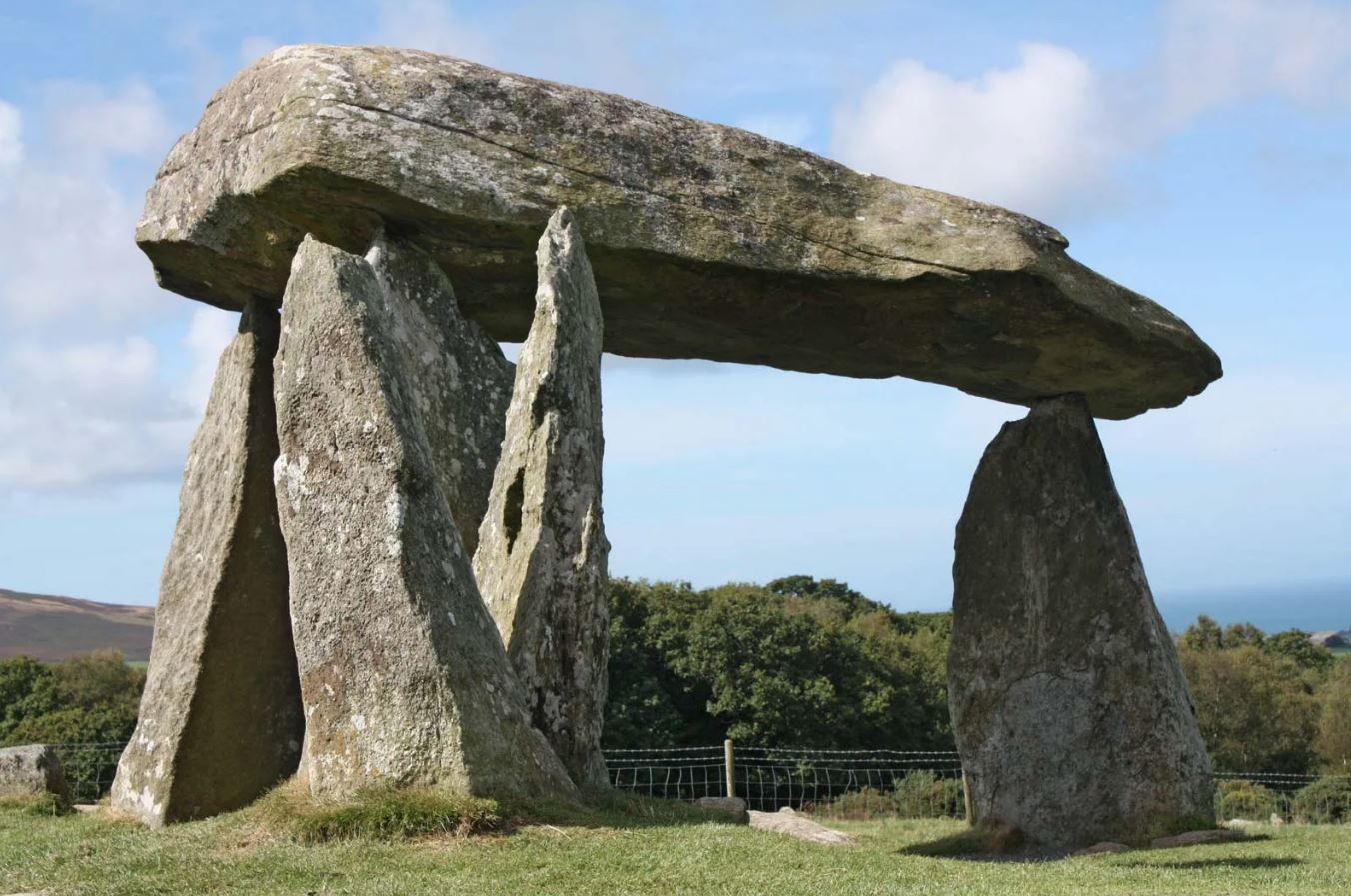
Why ancient builders raised great blocks into patterns of time, kinship, and careful sight
First Reasons to Lift the Unliftable
People gathered in clearings, counted seasons by light, and chose rock as a partner because it keeps its promise longer than wood or song, and from that choice came places where communities could return after flood or quarrel to find the same shapes watching the same sky with an attention that does not tire.
Reading the Land Before the First Cut
Surveyors walked ridges and marsh edges, tasted springs, and watched how shadows traveled across winter hills, then they set markers where the ground felt true underfoot, since a megalith must belong to its slope and wind or it will look like an argument rather than a welcome.
Quarries as Classrooms
The hillside became a lesson in fracture and patience, wedges found seams, water widened hairline cracks, and crews sang to keep rhythm while levers and cribbing coaxed a block to move, because force alone cannot persuade stone to become architecture, it yields to sequence, not to rage.
Ropes, Rollers, and Waterpaths
Transport turned physics into choreography, with sleds greased by animal fat, rollers cut from trees that would be replanted after harvest, and in some valleys wet clay under skids reduced friction while teams heaved to a chant, and where slopes allowed, builders flooded channels to float weight for a quiet glide.
Ramps That Rose With the Work
Earth ramps climbed as stones reached higher courses, each layer compacted with gravel so feet would not slip, and at the end the same soil returned to fields, a temporary landscape whose purpose was ascent, proof that even large dreams can borrow ground for a season and then restore it.
Joints Hidden in Plain Sight
Lintels sat on uprights with sockets and tenons cut into rock, pegs of hardwood or stone locked the fit, and chocking stones leveled what the quarry could not guarantee, so that gravity would hold with elegance, and a visitor would see strength and grace rather than struggle.
Rings, Avenues, and Single Giants
Some sites gathered stones into circles where people could face one another across ritual space, some stretched in long rows that guided feet toward a mound or a river bend, and elsewhere a solitary pillar rose like a finger that points without words, each layout a grammar for meeting and remembering.
Passage Chambers and the Taste of Dawn
Burial mounds with narrow corridors aimed their mouths at winter sunrise or summer sunset so that a blade of light could run across polished stone inside and wake carvings into brightness for a moment, and that moment proved that builders could persuade time to visit interior darkness on cue.
Stone Markings as Quiet Literature
Pecked spirals, cups, lines, and grids traced across slabs formed a library without letters, patterns that spoke of water, seed, and star, and while we decipher only a fraction, wear on the grooves shows that hands returned often to read with fingertips what night had taught the eye.
Sound Held by Rock and Air
Circles and chambers altered voice into ritual tool, slow chants rode along lintels, drumbeats folded around uprights, and in some places clap echoes returned after a measured delay, which means design included ears as well as eyes, since a meeting place that sounds right will carry vows farther than a bare field can.
Calendars Built Without Numbers
Alignments to solstice and equinox taught farmers when to expect change, not by counting days on tablets but by watching where the sun slipped between stones or where a shadow reached a carved mark, and this method survived storms and dynasties because the sky renews the lesson every year.
Stone and the Work of Community
Thousands of hands moved a single monument over months, which tied villages through shared food, song, and calloused palms, and the story of that labor lived longer than any leader, because the place itself remembered every shoulder that pushed and every joke that kept fear away near a steep drop.
Material Choices and their Meanings
Granite promised endurance, sandstone accepted carving with kindness, limestone brightened under rain and then mellowed to cream, and many sites mixed sources to bind regions together, since a block from a distant ridge placed among local stones turned geography into kinship that everyone could see.
Weather, Lichen, and Patient Change
Wind softened edges, frost pried at bedding planes, and lichen painted slow maps of moisture that conservators read like doctors read pulse, and this aging became part of the beauty, a reminder that time only borrows surfaces, it does not own them, and that care can guide decay without pretending to stop it.
Households of the Dead and the Living
Some circles framed feasts and courtship, some passage graves sheltered remains along walls like beds in a stone inn, and processional ways stitched these functions into one fabric, so the living could walk with their ancestors and still plan next season as if the conversation had never paused.
Measuring Without Metal Scales
Cords knotted at regular spans, sighting poles, and plumb lines with stone bobs created right angles, equal arcs, and vertical truth, and from these simple instruments rose astonishing symmetry that convinces anyone who doubts that intention, not luck, set these forms upon their exact bearings.
Night Work and the Lamp of the Moon
Summer nights opened cooler hours for hauling and lever lifting, with fires only where needed, and crews let moonlight show alignment better than smoky lamps, because a pale horizon and a bright star leave no argument, and so darkness served as a tool rather than an obstacle.
Food for Builders and Festivals
Feeding labor meant more than calories, it meant cooking that respected distance and effort, pits roasted meat for many, flat stones baked grain cakes near water jars, and feasting after a stone stood upright turned fatigue into pride, then into story that drew helpers back the next season.
Guardianship and Repair Across Ages
Later generations stabilized leaning uprights with buried collars, reset fallen lintels with renewed ramps, and cleared invasive roots, while keeping the old scars visible so that honesty would outlive vanity, because a monument earns trust when its caretakers honor both strength and fracture.
Myths That Grew Like Ivy
Stories attached themselves to the stones, giants carried them in baskets, saints outwitted devils to place them, musicians froze dancers into rock at dawn, and though scholars smile, such tales protect sites by making them kin to listeners, which can matter more than any law when a storm tears a fence.
Across Regions, Shared Intentions
Avenues in one island echo lines on a continental plain, chambered mounds in a cold north whisper to ring cairns in a warm south, and while details differ, the shared intention to yoke sky, soil, and society with stone appears everywhere, as if distant neighbors traded ideas with patience instead of coins.
Tools Found at the Edges
Hammerstones, antler picks, polishing slabs, and broken sled runners lie just beyond circles and mounds, the backstage of the performance, and these scraps confirm the craft behind the awe, since even the most sacred show leaves sawdust where carpenters stood.
New Eyes on Old Arrangements
Modern surveys use aerial images, ground radar, and magnet readings to trace ditches and post rows now hidden under pasture, then mark them with flags so walkers can feel corridors that cattle have forgotten, and this method widens the stage, proving that what we see is only a fraction of what was planned.
Light, Water, and the Mirror Trick
Some designers placed stones near seasonal pools so that sunrise would double its beauty, circle above and circle below, and visitors who arrived after rain learned that reflection can be a building material, cheaper than granite and more surprising than carved glyphs.
Ethics of Touch and Respect
Tourists who climb for a photograph crush lichens that took centuries to weave, and eager caretakers who scrub away age remove data that science needs, so the best rule is gentle distance, good paths, clear signs, and teaching that replaces fences with understanding.
Why the Labor Was Worth It
Farmers exchanged days of weeding for days of hauling because a shared monument turns a valley into a family, gives seasons a stage, and gives grief a place to sit, and that return on effort outlasts any harvest, since a circle can hold names even after language wanders.
Lessons for Builders Today
These works teach that design begins with listening, that orientation matters as much as ornament, that community beats speed, and that materials deserve friendship rather than domination, and if a new park, school, or bridge follows such counsel, it will age with dignity and invite caretakers rather than vandals.
Stories Written in Shadow
Stand within an avenue at late afternoon and you will see the ground write lines with shade that move as slowly as careful thought, and that slow motion explains why ancestors trusted stone, because it lets time become visible enough to read without haste.
What the Broken Pieces Tell
A fallen lintel shows bedding planes, a snapped peg reveals the force once locked inside a joint, and chipped edges list centuries of frost and hoof, and in these wounds the structure continues to teach, as if a school kept lessons open on the desk after class.
Children and the Future of the Circles
When young visitors trace spirals with a stick in sand or stack pebbles beside a ditch without touching the ancient blocks, they begin the long apprenticeship of care, which is how these places will live another thousand years, not by law alone but by affection learned early.
The Promise Carved Into Open Air
Megaliths were not built to impress a single day, they were placed to negotiate with sunrise and rain on behalf of many lives, and they will keep that appointment as long as we meet them with patience, with soft steps, and with the same faith in simple alignment that once persuaded stone to stand and watch.