

Where the City Sleeps After the Map Closes
Journeys through places that vanished from sight yet linger in soil, water, and rumor
When the River Changed Its Mind
Some cities trusted a river that later wandered away, and the empty quays began to crack under sun and silence. Silt filled old channels, docks turned into gardens, and fishermen packed their nets for a final walk to a neighbor that still heard oars at dawn. The streets did not fail overnight, they faded as caravans chose a shorter crossing and tax collectors found easier counts somewhere upstream. In the end, the grand stair to the water led to weeds, and memory replaced commerce as the most valuable current that passed through the gate.
Archaeologists follow the ghost of that water with cores and trenches, then match pollen and clay to calendars that outlived their officials. A city that once posted tariffs on grain now teaches lessons on hydrology and patience. Its loss feels less like a fall and more like a slow negotiation with geography, a bargain that towns never truly win and never truly lose.
Sand Wrote Over the Streets
Wind carried grain after grain across courtyards until rooftops learned the weight of dunes. The upper floors disappeared first, then door lintels, then the last line of painted plaster that once met a head at the height of greeting. When storms paused, only domes and tower tips remained, like islands in a dull sea of gold. People left while they could still find the road, then came back generations later to cut hearths into rooms they no longer recognized, because the old walls offered shade even when names had been forgotten.
Excavation moves the sand carefully, since the same grains that buried also preserved. Under the cover, wooden pegs still grip, seeds still hold form, and ink still clings to broken jars that served as cheap notebooks. Dunes are not only erasers. They are also guardians that kept everyday life intact long enough for a new set of eyes to learn from it.
Forest Returned With Quiet Feet
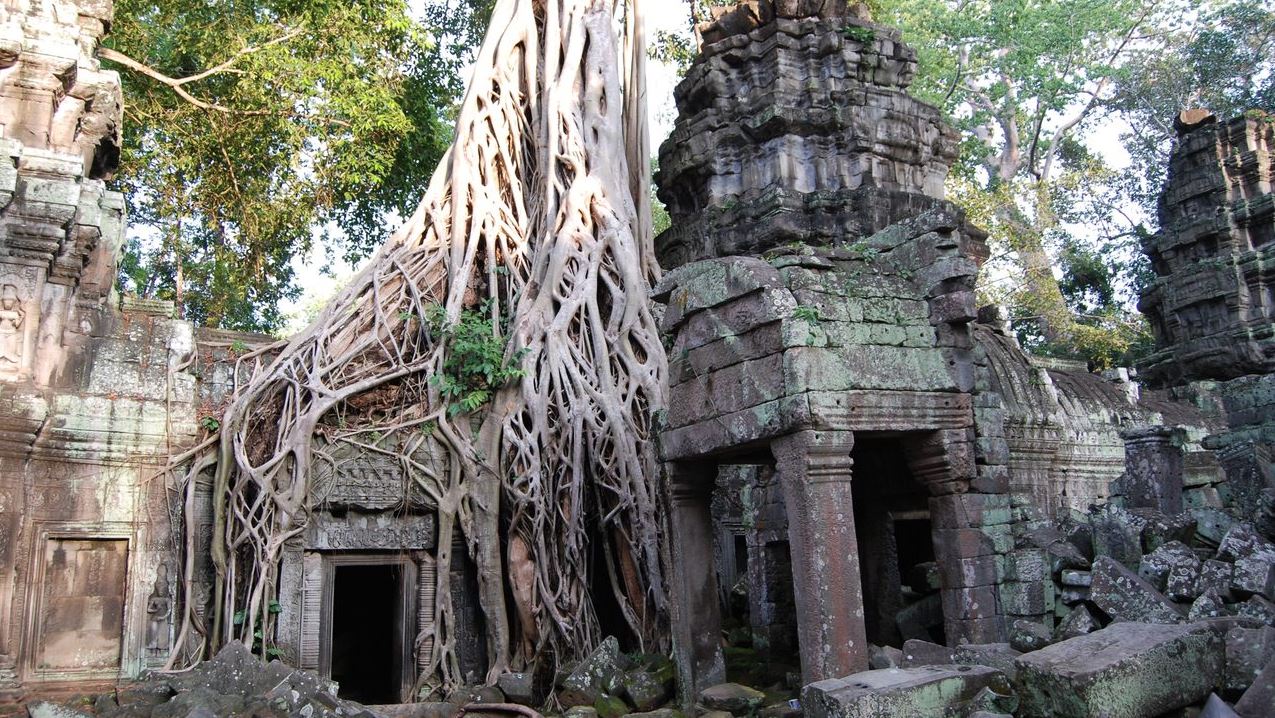
Towns in wet lands lose arguments with vines and roots. A year or two after the last garrison leaves, saplings rise in courtyards and owls nest in clerestory windows that once lifted sacred light. Roads become green corridors for animals that do not care about borders, and bridges soften under moss until they step back into the river without a sound. The forest does not invade, it remembers. It grows where the sun and rain say yes, and stone can only nod for a time before it yields.
Modern surveys shine through canopy with distant eyes, tracing terraces and causeways that locals always suspected but could not prove to visitors. The lines are unmistakable, and they reveal planning of great subtlety. Waterworks, plazas, and orthogonal grids lie under trees that turned architecture into soil, and the soil into shelter for the next cycle of roots and birdsong.
Harbors That Drowned Under Their Own Success
Ports invite silt when ships multiply and hills send fields running downhill after heavy rain. Merchants built quays farther out and dredged channels with hope and sweat, but the slow rain of mud kept winning the math. In some places, an earthquake tipped the seabed and the finest warehouses sank with their ledgers stacked on shelves that never expected fish. Bottles, coins, and anchors now sleep under weeds that sway with tides, and the bell that once marked the end of auction now rings for divers who count breaths instead of bids.
Underwater excavation works like surgery, precise and slow. Pumps clear a view, frames keep a grid, and every find must travel through a bath before air can touch it without cruelty. The drowned quarter looks familiar despite the strangeness of ripples and light. Door thresholds still tell feet where to rise, and the grooves of cartwheels still train the eye to expect the next turn by the fountain that no longer pours.
Volcanoes That Made Libraries of Ash
A city caught by ash becomes a cabinet of curiosities that no curator would design on purpose. Pots remain on stoves, coins stay in drawers, and a half written message waits on a wall where the writer lost the chance to finish the thought. Gaps where bodies once lay turn into casts that bring silence into sharp relief. The cruelty of the event cannot be softened, yet the honesty of the record serves as a rare school for those who study domestic life without the filter of ceremony or boasting.
Layers of eruption tell the tempo of panic and the pace of rescue. Doors that were blocked from the outside hint at neighbors who tried to help. Heavy furniture moved toward exits suggests a last plan to save what mattered most, often bread, tools, and charms that promised protection. The ash does not judge. It only keeps the moment in place until a careful hand lifts the lid.
Citadels That Outlived Their Purpose
Hilltop fortresses once linked smoke to smoke and blade to blade across wide frontiers. When borders shifted and new roads bent away from their gates, the people below lost reason to climb every morning. Markets settled in valleys, work followed water, and the bastion turned into a barn or a quarry or a landmark for hikers who chase sunsets. Stones that carried spears learned to carry grapes on trellises and children on school outings, which may be the most graceful retirement any wall can hope for.
The archaeology of such places reveals long second lives. A temple becomes a workshop, a barracks becomes a hospice, and a tower becomes a clock that keeps time for chores rather than for war. Loss here feels like release. The citadel steps back from command and joins the countryside as a neighbor, sturdy, quiet, and useful in ways its builders never imagined.
Names That Survived Without Streets
Even when a town falls to dust, its name travels on the breath of shepherds and traders who need a point of reference where the map shows only blank. Songs carry syllables across centuries, sometimes with clipped vowels and borrowed endings, yet still recognizable to someone who reads old lists with patience. A ruin may have ten names, all correct in their own circles, and each name preserves a different promise, like a spring, a shrine, or a promise of safety after a long stretch of road.
Epigraphers chase those names through inscriptions on stone, wood, and clay, and they match them to valleys and bends in rivers. The process feels like solving a riddle that time set for a future friend. When the answer fits, the landscape itself seems to nod, as if pleased that someone asked the right question in the right way.
Myth, Story, and the Searchers Who Keep Looking
Some places vanish so completely that only rumor remains, and rumor can be stubborn. Treasure maps and sailor tales tempt the impatient, while quiet scholars sift travelogues that exaggerate as skillfully as any poet. The truth often sits between the two, a modest settlement with one remarkable craft or festival that fresh eyes can now appreciate without the need for gold in the ground.
Searchers change their tools with every generation. A century ago, they followed reports and chisels. Today, they carry images from the sky, sensors that measure magnet fields, and shovels that touch only when evidence invites the next small cut. The quarry is not fame. The quarry is understanding. Once a site begins to speak, the team listens more and digs less, and the myth settles gracefully into history without losing its charm.
Grids, Spirals, and the Shapes That Linger After People Leave
Urban plans endure in their bones even when every roof has fallen. A grid reads as a rhythm of right angles across low mounds, a spiral reads as a procession route that still wants to move the body, and a ring reads as a community that held together under pressure. The plan teaches the mood of its makers. Grids like order and fairness, spirals like ceremony and patience, rings like solidarity and vigilance.
When teams walk a site with flags and tapes, the old geometry rises like a sunrise from level ground. Once measured, it becomes clear why certain corners held markets, why certain corners held schools, and why a particular square keeps the breeze even in the hottest month. The shape of a city is an argument about comfort that remains persuasive long after the voices that staged it have gone quiet.
Why Cities Vanish Yet Never Quite Die
Loss is rarely a single cause. Climate shifts squeeze harvests, trade routes bend away, rival powers impose taxes, and a plague visits at the worst time. People weigh the work of staying against the chance of starting over, and eventually the numbers turn against the hearth. Doors close, shutters creak, and a neighbor borrows the last coal for a new fire elsewhere. The city does not fall in drama, it exhales. It leaves a shell for owls and archaeologists and for poets who prefer the half light of evening.
Yet even without roofs, a place continues to act. It teaches navigation to farmers, provides stone to rebuild a bridge, or hosts a yearly fair on the only flat ground for miles. The city is lost in one sense and very present in another. It becomes a toolkit for the living and a classroom for the curious, which is a worthy afterlife for any collection of walls and wishes.
Finding Cities With Light From Above
Remote sensing reads the earth like Braille from the sky. Differences in moisture, height, and vegetation reveal buried streets to those who watch patiently. After a rain, crops flare brighter where old trenches hold water, and faint ridges tell of foundations under pasture. Pilots noticed these signs long ago, and today satellites and drones turn noticing into maps that guide ground work with a care that saves both time and heritage.
The first walk after such a discovery feels like meeting an old friend whose face you know from a portrait. Every step tries to match pixels to pebbles. When the lines align, the confidence to ask better questions grows. Where did people enter. Where did they gather. Where did they store hope against bad years. The answers surface slowly, like low tide revealing steps carved into rock that only a seasoned boatman would trust.
Markets, Kitchens, and the Last Rooms to Fall Quiet
Public buildings collapse with ceremony in poems, yet the final heartbeat of a town usually fades in kitchens and stalls. The last market day shrinks to a few stalls that trade bread for nails and stories for comfort. The last oven bakes for a sick neighbor and then cools forever with a brave smell of crust that no one will forget. When archaeologists uncover that stove and those scales, they read a chapter about love and persistence that deserves a place beside the grand inscriptions of kings.
Small finds support this view. Broken game pieces lie near thresholds, worn ladles rest by drains, and a lost pendant hides under a bench that faced the evening light. These soft details bring the city back with a strength that stone alone cannot provide. They remind us that a place is a harmony of routine and surprise, and that harmony can be heard again if we listen as if it were new.
Lessons For Places We Build Today
Lost cities do not only warn, they advise. Choose sites with room for rivers to meander, plan streets that forgive heavy rain, and keep water and food within reach even when roads fail for a season. Share knowledge across neighborhoods so that no single craft sits in one fragile quarter. In warmth, plant shade within reach of every door. In cold, keep windows honest about their job, which is to welcome light without surrendering heat.
Measure success by the kindness a plan extends to strangers and to elders. A city that serves only its strongest years will not manage its weakest. Build with repair in mind, celebrate maintenance, and honor the crews who keep drains clear and roofs tight. If we do this, our streets may one day be described as remembered rather than lost, which is the sweetest verdict a future can give the present.
The Place That Waits Under Every Footstep
Walk slowly through a field where larks rise and you may feel a grid under grass, or a plaza under thistle, or a harbor under reeds that sway with a tide too shy to admit itself. The past has not vanished, it has shifted rooms. It waits for careful hands, patient methods, and a willingness to let small things speak before grand theories take the stage. When we grant that grace, lost cities return as mentors, and our own towns learn how to endure with humility and with style.