

Masterpieces Painted in Dust and Stone
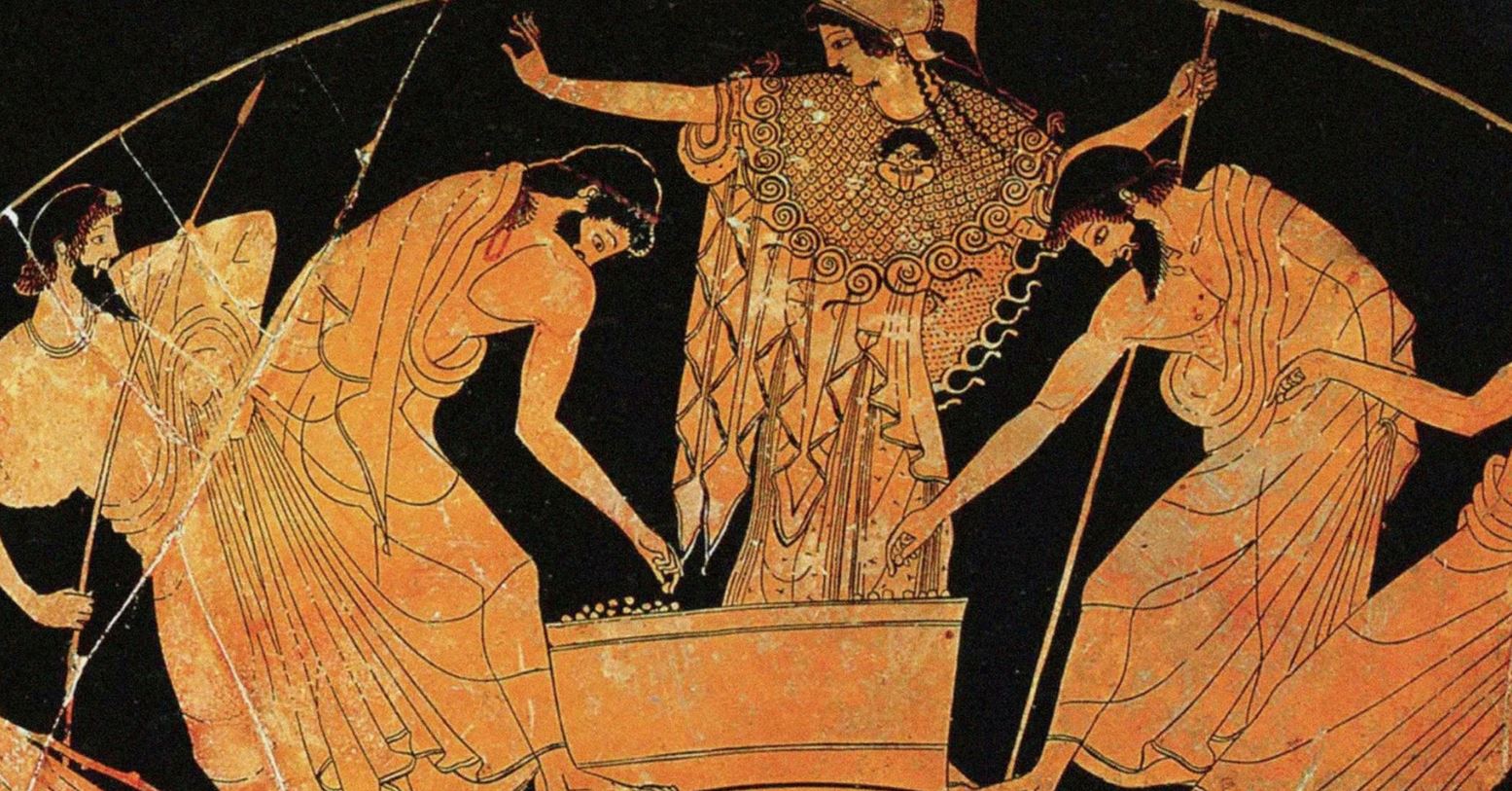
The silent masterpieces that shaped memory before words learned to last
When Walls Became Witnesses
The earliest artists treated cliffs and caves as living surfaces. Their hands traced shapes in flickering light, turning rock into a skin that remembered movement. Herds of bison, spirals of hunters, and dots of pigment captured rhythm instead of speech. The purpose may have been prayer, record, or rehearsal, but the effect was unmistakably aesthetic. The surface that once hid in darkness became luminous through pigment, and the viewer standing before it, whether ten thousand years ago or today, feels the same pulse of recognition. Each curve and contour speaks of intention, a human need to anchor thought in visible form long before alphabets learned to serve that role.
Earth, Fire, and the First Palettes
Color was born from soil and flame. Iron oxides offered red, charcoal brought black, chalk yielded white, and crushed malachite gleamed with green. Mixing these with animal fat or water gave the artist both durability and gloss. Some painters blew pigment through hollow reeds to trace silhouettes of hands, signatures of existence preserved in breath. Others etched lines with stone points, scoring outlines before filling them with pigment. Firelight animated these images, giving them motion. In this interplay of material and imagination, art became collaboration between element and desire. The palette of prehistory was modest in chemistry yet immense in emotion.
Carved Spirits and Portable Wonders
Not all masterpieces stayed fixed to the wall. Carvers shaped ivory, bone, and soft stone into figures that traveled in pouches and pockets. The Venus figurines of Paleolithic Europe, with their generous curves and abstracted faces, embodied fertility, warmth, and continuity. They were less portraits than prayers. Elsewhere, small animals, flutes, and decorated tools merged function with beauty. Mobility did not diminish their power. Instead, it made art a companion to survival. These carvings linked distant camps and generations, proving that creativity travels faster than conquest and outlasts hardship more effectively than tools or weapons ever could.
The Rise of Monumental Imagination
As communities grew, so did ambition. Megaliths appeared on plains and coasts, aligned with stars or solstices. Each stone raised by hundreds of hands recorded collective intention in weight and symmetry. Decoration followed structure, with engravings of spirals, suns, and animals marking stone as both architecture and canvas. The act of building became performance. To stand within such a circle was to feel both shelter and revelation. These monuments were not homes for people but homes for meaning, enduring without roofs yet refusing to fall. They turned landscape into memory and time into geometry.
Clay as Chronicle and Ornament
When fire met earth deliberately, ceramics entered history. Clay figurines and painted pots multiplied across valleys and deltas, carrying stories in spirals of pigment and lines of incision. Pots bore both utility and identity, since the style of a rim or the rhythm of decoration revealed the hand of a village. Some jars displayed animals whose eyes followed the drinker, while others told entire myths in concentric bands. Decoration was not frivolous. It was philosophy applied to the surface of necessity. Every vessel became both a story and a song, merging art with sustenance in the most human way imaginable.
Stone Faces and Human Memory
The invention of sculpture transformed representation from outline to presence. Statues gave mass to myth and face to worship. In Mesopotamia, limestone figures with clasped hands and wide eyes stared perpetually at the divine. In Egypt, colossal pharaohs guarded temples, their expressions caught between command and eternity. Greece refined proportion into dialogue, while India carved gods whose gestures taught entire cosmologies. The universal desire was the same: to make reverence visible, to give emotion volume. Even when the purpose was religious, the result was profoundly psychological. The viewer confronted not only deity but also the reflection of their own will to endure.
Pigments of Power and the Politics of Beauty
Art soon became the language of governance. Rulers commissioned walls of conquest and harmony alike, ensuring their legacies through pigment more lasting than decree. Reliefs depicted battles, processions, and divine coronations that asserted order in both heaven and earth. To decorate a palace was to define civilization. Color itself became a sign of control. Rare minerals and imported dyes signaled reach and wealth. Yet even in propaganda, artistry breathed sincerity. The sculptor who carved a soldier’s jaw or the painter who shaded a queen’s cheek left fingerprints of empathy beneath the mask of authority.
Scripts That Grew from Ornament
Before writing codified thought, decorative motifs flirted with abstraction. Repeated patterns, once mere adornment, evolved into systems of meaning. Stylized animals turned into pictograms, pictograms into syllables. Thus, art and language were born from the same impulse: to fix fleeting thought. Cuneiform wedges, hieroglyphic birds, and Chinese oracle characters began as drawings before becoming grammar. In this transition, artistic play birthed literacy. The first scribes were artists of line and balance, and the earliest texts remain as visually graceful as any painting. A tablet or stele was both document and artwork, proof that beauty and record once shared the same breath.
Colors of Ceremony and the Drama of Belief
Temples, tombs, and sanctuaries transformed art into theater. Walls glowed with mineral reds, celestial blues, and lapis purples under torchlight. Frescoes captured banquets, gods, and gardens that blurred the line between this world and the next. In Mesoamerica, murals narrated cosmic struggle in vast panoramas of jaguars and serpents. In Egypt, pigments accompanied the soul through eternity. Across continents, the brush became priestly, and the act of painting became a form of offering. The sacred and the aesthetic intertwined until one could not exist without the other. Even decay, centuries later, seems to obey a choreography of reverence.
Sound, Movement, and the Birth of Performance
Though sculpture and pigment endure, ancient art also lived through motion. Dancers in feathers and beads became living canvases. Music carved air into shape, while costumes extended anatomy into mythic proportion. Masks changed speech into chant and identity into archetype. To witness performance was to enter myth bodily. Anthropologists uncover traces of these events in drum patterns, cave acoustics, and ritual spaces whose architecture enhanced echo and rhythm. The ancient artist did not separate sound from image or body from idea. Art was total experience, an ecology of sensation that still haunts modern theaters and festivals.
Tools of Illusion and the Gesture of Innovation
Behind every masterpiece stood experimentation. Stone flakes evolved into chisels, reeds became brushes, and pigments learned to mix without dulling. Artisans studied how shadows fell, how curves caught light, and how perspective might suggest depth. The desire to deceive the eye revealed a deeper pursuit: to reveal truth through imitation. Fresco painters learned to quicken pigment before plaster dried. Metalworkers hammered relief from sheets thinner than parchment. Innovation was not mechanical but spiritual, a dialogue between discipline and intuition. Each generation refined technique until material seemed to surrender willingly to imagination.
Beauty as Social Currency
Adornment turned the human body into portable art. Jewelry, tattoo, and textile became declarations of lineage, wealth, and faith. Gold shimmered not for vanity but for symbolism, reflecting sunlight as divine approval. Beads traced trade routes, linking deserts to seas through color. Weaving itself functioned as text, patterns encoding genealogy and myth. The wearers became storytellers, carrying galleries on their skin and cloth. Anthropologists studying ancient burials find artistry stitched into every seam, evidence that self-presentation was a language spoken long before nations learned to write constitutions.
The Artist as Mediator Between Worlds
To create was to translate. Artists bridged the gap between visible and invisible, between event and essence. In societies where shamans guided ritual and kings claimed divine descent, the painter and sculptor shared their task: to render unseen forces comprehensible. Tools thus became instruments of communion. Every brushstroke or chisel mark echoed invocation. This sacred vocation explains the anonymity of most ancient works. The maker’s ego dissolved into purpose, leaving behind signatures of style rather than of name. The art itself became immortal, carrying identity through craft rather than through inscription.
Decay, Rediscovery, and the Archaeology of Awe
Centuries buried art beneath conquest, flood, and forgetfulness. When fragments reemerged from soil, they awakened astonishment. Frescoes faded yet luminous, statues headless yet expressive, ceramics shattered yet intricate, each fragment demanded reassembly of both object and context. Archaeologists became interpreters of beauty interrupted. Through restoration, ancient art speaks again, though differently. Its cracks remind us that endurance is also aesthetic. Imperfection teaches fragility, and in that fragility lies poignancy. The past does not survive whole; it survives as evidence that imagination resists extinction.
The Modern Mirror of Antiquity
Contemporary artists study ancient techniques not merely to imitate but to converse across time. Pigments once ground by hand now inspire synthetic chemistry. Symbols carved in lost languages resurface in digital design. Museums stage dialogues between bronze and hologram, between papyrus and pixel. The spirit of ancient art is not nostalgia but continuity. Its lessons in patience, craft, and reverence for material challenge a world obsessed with speed. The same impulse that guided a cave painter’s hand guides modern creators who seek meaning in gesture rather than in fame. Time alters form but not intent.
What the Past Still Paints in Us
Every gallery, whether carved in rock or lit by electricity, continues a conversation that began when the first pigment met the first wall. Ancient art was not an era but an attitude, one that treated creation as survival and beauty as testimony. In studying its traces, we inherit not only design but discipline, not only image but insight. The oldest brushstroke still trembles within every new one. To look upon those distant visions is to recognize ourselves, creatures who dreamed before they could define dreaming, who made meaning visible so it would not vanish when breath ceased.