

When Wood Learned the Language of Waves
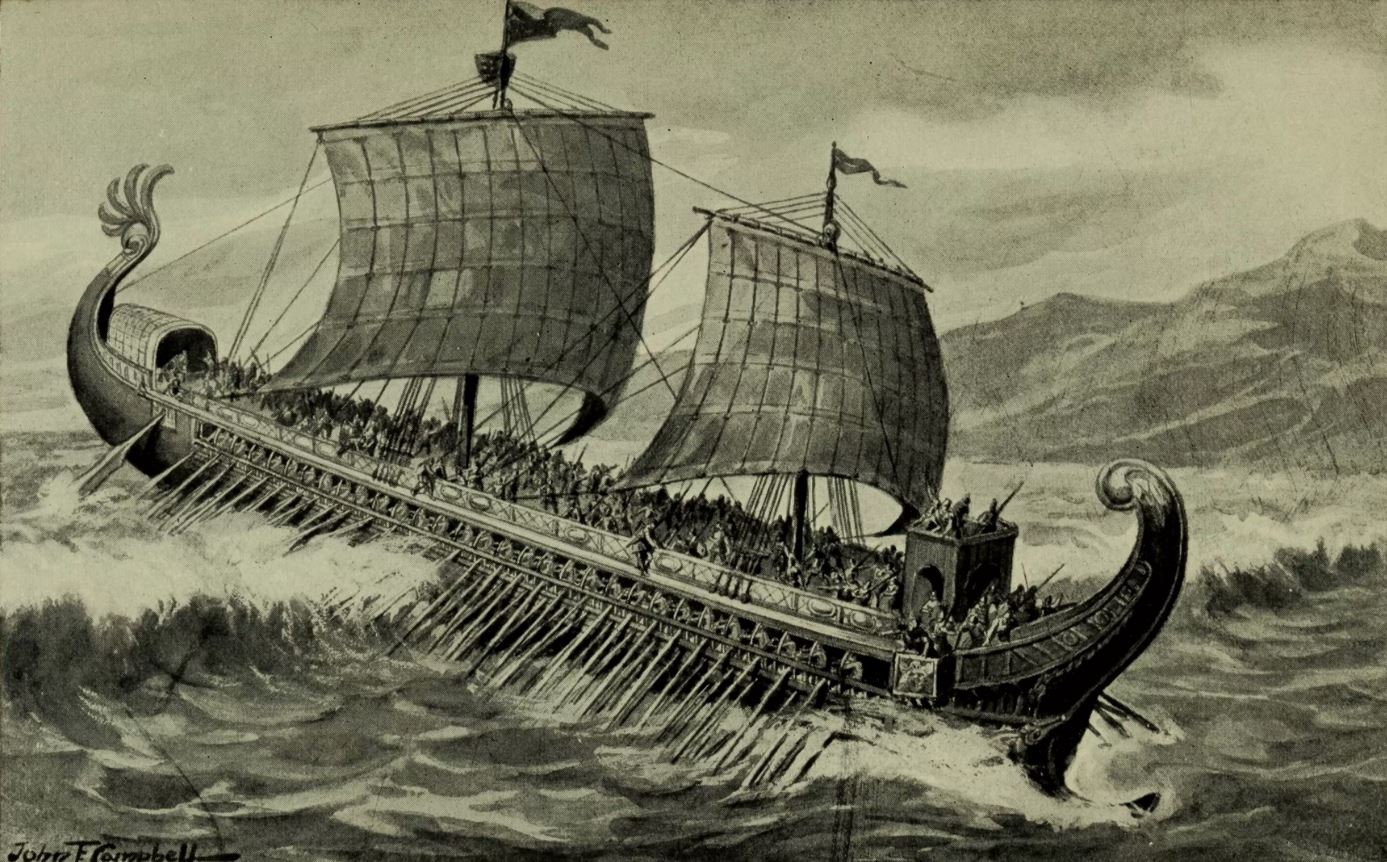
Eearly sailors read wind and stars, stitched planks into purpose, and tied distant shores into one wide conversation
Before Harbors Had Names
People watched driftwood that rode swells and noticed that buoyant trunks could carry tools and children, then bundles of reeds became rafts, bark turned into canoes, and dugouts carved from single trees appeared wherever stone adzes met patience, and from these first rides a habit formed, launch at dawn, listen to water, and return with news.
Reeds, Bark, and the First Experiments
Along quiet lakes, tight bundles of reeds made hulls so light that a single person could lift them, while in forests with broad trees, bark peeled in clean sheets became skins for frames of saplings, and bitumen or pine resin sealed seams against whispers of water that tried to sneak inside.
Dugouts and the Art of Hollowing
Fire softened heartwood and stone chisels cleared embers without cracking the shell, poles spread the sides so that balance improved, and thwarts braced the beam against waves, then slender outriggers stabilized quick craft that needed to cross reefs where surf could toss a flat bottom like a toy.
Sewn Planks and the Confidence of Cordage
Where tall timber grew scarce, builders split boards from smaller trunks and stitched them with plant fiber or coconut cord through paired holes, the seams stuffed with fibers and sealed with resins, and the lashings acted like living joints that flexed without breaking when a rising sea tried to argue with the hull.
Mortise, Tenon, and the Quiet Grip of Joinery
In warm seas of the old world, shipwrights carved slots into plank edges and wedged tongues between them, pegs locked the marriage, and the joinery resisted torsion without iron, a subtle craft that turned wood into a single muscle, strong enough to carry jars of oil, amphorae of wine, and blocks of stone toward distant markets.
Pitch, Resin, and the Scent of Tight Seams
Resin from pines or pistachio trees, bitumen gathered from seeps, and wax from hives made blends that could fill seams and harden under sun, and caulkers warmed the mixture in shallow pans, pressed it with smooth stones, then polished it with wool so that water found no easy welcome inside the shadowed spaces between planks.
Masts, Yards, and the First Lessons in Wind
Once a pole rose from a keel and a yard held a square of woven plant fiber, a boat learned to drink the sky, and crews learned that a sail needs balance with a rudder and a deep board, and that a small change of angle can turn struggle into glide when the breeze agrees to help.
Oars and the Music of Motion
Where wind refused to serve, oars answered, benches lined with leather kept hands from blistering, drums and calls set rhythm, and the boat moved like a choir that pushed water into organized whirl, a labor that could sprint for battle or ease along for fishing without fraying muscle or temper.
Rudders, Steering Oars, and the Grammar of Direction
Early craft steered with paddles tied to the stern quarter, later with paired blades, and finally with a single broad board hung at the rear, and each step improved control in surf and in crowded approaches to quays, where a quick correction spared hulls from stone and pride from embarrassment.
Outriggers and the Logic of Stability
Island builders added lateral floats on booms that crossed the main hull, which stopped roll and allowed narrow and fast boats to carry food and family across open water, and these elegant frames taught a simple rule, that balance is cheaper than strength when the sea tests courage.
Double Canoes and the Reach for Horizons
Two long hulls bridged by crossbeams carried gardens in baskets, pigs in pens, and elders in shade, and sails of pandanus matting pulled the craft along blue highways toward new atolls, while memory of stars and swell patterns kept track of invisible roads that no map had yet dared to draw.
Junks, Lateen, and the Shape of Possibility
In eastern waters, fully battened sails rose from short masts, panels spread wind evenly, and watertight bulkheads divided hulls into rooms that could swallow cargo while guarding against loss, while in southern seas, triangular lateen sails allowed tacking almost into the wind, a trick that expanded a captain’s choices during a grudging day.
Galleys, Rams, and the Theater of the Oar
In inland seas ringed by stone cities, long slim war craft relied on muscle, with bronze tipped rams set low to punch holes below the waterline, and marines waited behind shields to leap once grapples snagged an enemy, a style that demanded training and clean harbors where crews could rest between sudden storms of iron and spray.
Monsoon Roads and Seasonal Wisdom
Across the great ocean that links east Africa with south and east Asia, sailors learned that reliable winds arrive with the patience of a calendar, outbound in one season and homeward in the other, and ports along these coasts became clocks made of rope and spice, with warehouses that breathed only on schedule.
Reading Stars and the Art of Remembering
Night skies taught naming and measure, a rising cluster marked the start of a safe window, a belt of bright points set east and west, and navigators sang star paths as verses that children memorized long before they touched a tiller, because a melody keeps a course in the mind when clouds argue.
Swells, Birds, and Clues Near the Edge of Sight
Open water carries long waves that remember far away winds, and a skilled sailor feels their cross patterns with knees and spine, while clouds pile over high islands and birds leave at dawn for known fishing grounds, and these signs lead craft toward land long before peaks rise beyond haze.
Current, Tide, and the Patience of Waiting
Even a strong crew loses to an ebb that grabs the keel like a stubborn hand, so pilots learned to wait in eddies, to ride flood like an escort, and to plan entries at bars when the river lifts its shoulders in welcome, a rhythm that saves lives and cargo more surely than pride can.
Harbors, Quays, and the Choreography of Arrival
Stone breakwaters tamed surge at favored coves, wooden piles carried decks where carts could meet cargo, and ropes sang over bollards while stevedores balanced loads across narrow gangplanks, a dance that only looks casual after years of practice and after every crew member learns the difference between hurry and speed.
Shipwrights, Caulkers, and the Quiet Season
Between voyages, hulls needed scraping, seams needed fresh fiber, and sails needed mending with neat stitches that spread strain, while shipwrights replaced tired timbers and reset fastenings, and apprentices learned that the best passage begins months before launch, in the smell of shavings and the sound of planes.
Cargoes That Tied Worlds Together
Spices in small weight and great value shared hold space with timber and stone, grain in sacks lay above amphorae of oil, and hides cushioned delicate glass, while passengers carried stories and new songs, and customs officers took notes so that taxes would pay for lanterns that kept harbor mouths honest during fog.
Weights, Measures, and Fair Bargains
Dockside scales with standard stones taught trust, marks on amphorae showed volume by rings of clay, and tallies cut into wooden slips tracked shares for crew and owner, and this reliability allowed distant partners to do business without being cousins, since shared measure is a kind of family on its own.
Maps, Periploi, and the Library of Coasts
Sailors drew coasts as strings of names with distances in days of fair wind, listed springs near beaches, warned of shoals with pale sand, and described mountains whose shapes welcomed pilots home, then scribes copied these guides for ports far away, and the book of travel grew year after year like a reef that shelters its own builders.
Storm Rites and Practical Caution
Before departure captains poured a little wine to the water, not to bribe the sea but to remind crews that humility outruns bravado, and they also checked lashings twice, halyards for chafe, and anchors for sound stock and sharp flukes, because ceremony without inspection is only noise, and the waves care nothing for noise.
Wrecks, Salvage, and the Archaeology of Motion
Storms and rocks kept a hard account, yet even failure leaves evidence, amphorae fields on a slope record a capsize, timber joinery reveals a yard of craft lineage, and cargo balance shows a plan that worked until it did not, and divers now read these lessons like pages soaked but still legible to patient eyes.
Health at Sea and the Craft of Diet
Fresh water in clay jars needed dark storage and careful lids to avoid foul taste, dried fish paired with flatbread kept strength without rot, and limes or coastal greens when available treated gums that turned tender after weeks, a knowledge traded among cooks who guarded crews from misery with quiet skill.
Signals, Beacons, and the Language of Light
Fires on headlands marked safe approaches, towers amplified flame with polished plates, and bells or horns spoke during fog among headlands that could swallow sound, while flags by day and torches by night let allied ships form lines or scatter without panicked shouting in crosswind.
Seafaring and the Spread of Ideas
Not only goods traveled, words did too, scripts learned new signs, religions found new shrines near quays, recipes adopted spice from beyond the horizon, and law codes borrowed clauses about wreck shares and anchor rights, which turned coastlines into schools and ships into classrooms that never stopped at final exams.
Women on Shore and Afloat
Harbors relied on merchants and stewards who kept accounts while partners sailed, innkeepers who heard gossip before officials did, weavers who mended sails with strong edges, and in some regions women captained ferries or coastal craft that moved people and food between islands, a network of labor that seldom filled chronicles but always filled bowls.
War at Sea and the Cost of Glory
When rulers sought control of straits and ports, seafaring met weapons, marines readied javelins and boarding hooks, archers guarded against fire pots, and captains trained crews to turn fast without breaking oars, yet victory still depended on supply of water and food, and on the wisdom to refuse a fight when the wind frowned.
Timber, Tar, and the Price Paid by Forests
Great fleets consumed masts and planks by the hillside, so wise cities set rules for replanting and for resting groves, and they protected streams that floated logs to saw pits, because a ship begins on a slope where birds nest, and reckless harvest can strand a navy on paper before the keel even kisses water.
Case Study of an Island World
On chains of coral and volcanic peaks, double canoes traveled in cycles, taro and breadfruit grew in baskets on deck, fishing lines paid out behind, and landfall songs taught children the taste of each lagoon, so that memory could rebuild a map after storms erased markers with one night of anger.
Case Study of a Middle Sea
In a basin ringed by olive and vine, galleys and round merchant ships crisscrossed in sight of capes that shaped weather, pilots hugged coasts by day, jumped between islands by night when stars cleared, and winter brought rest in sheltered coves where crews patched seams and shared tales that turned rivals into occasional partners.
Case Study of a Vast Eastern Ocean
In lands of tea and rice, broad beamed ships with battened sails crossed long runs between archipelagos and bays, stern mounted rudders answered with fine control, and fleets moved with printed permits that listed crew and cargo, a bureaucracy that paired with keen seamanship to keep trade regular and taxes steady.
Calendars of the Sea
Communities marked festivals by first return of fish, by safe opening of passes over bars, and by the first sighting of migratory birds that heralded settled weather, and these events filled markets and temples, then set the clock for plowing and pruning inland, proof that the sea sets the pace for more than sailors alone.
Why Ships Became Homes for Stories
Narrow decks force strangers into cooperation, long watches invite speech, and risky landings reward courage and calm, so tales born on waves became lessons for the shore, stories about listening before shouting, about sharing water without being asked, and about giving the helmsman trust when the line of foam looks hungry.
Modern Echoes of Ancient Skill
Today, voyagers rebuild traditional rigs and navigate without instruments as a way to prove that memory still works, they feel swells with eyes closed, hold a course by the smell of a reef that breathes, and teach children to tie knots that hold and knots that release, because the old language of waves deserves new voices.
The Wake That Does Not Fade
Ancient seafaring survives in every harbor rule, in every weathered rope, and in every custom of sharing shelter with the next boat that arrives after sunset, and if we pilot our own crowded world with the same patience, with the same respect for wind and neighbor, then the long conversation started by reed and paddle will keep answering across bright water.