
Roads Woven From Wind and Water
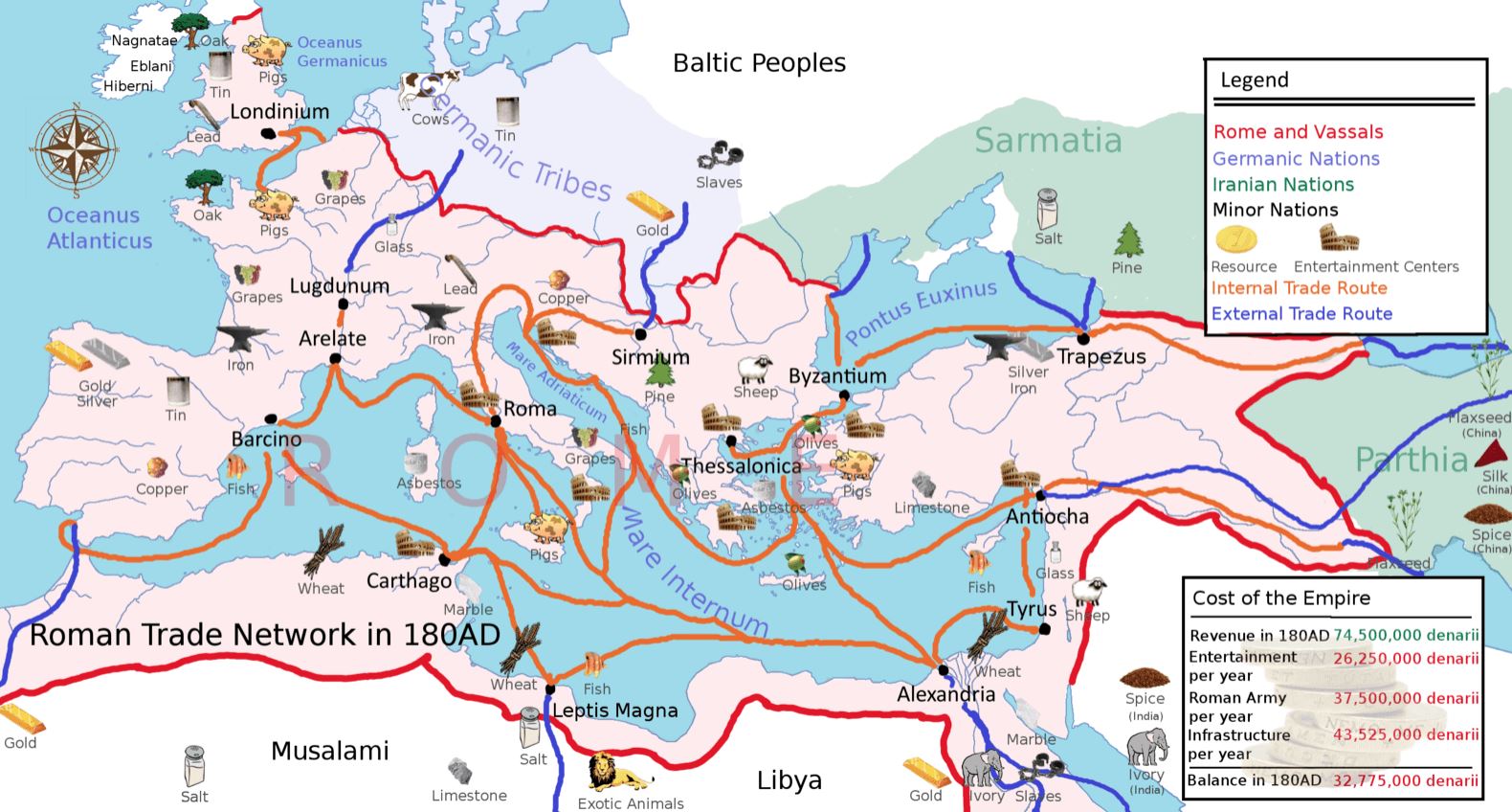
The distant shores and inland paths braided goods, ideas, and people into one long conversation
Trails That Began With Footprints
Before any empire stamped milestones into stone, traders followed animal tracks, river bends, and starlit ridgelines that promised the next spring. Paths widened as neighbors learned the predictability of seasons. A hunter who once carried hides for a favor began to carry them for a promise, then finally for a price. The earliest routes were not planned on parchment, they were remembered by bodies that counted paces, valleys, and the taste of a certain well. Over time, these memories hardened into habit, and habit attracted caravans that threaded local trails into corridors of exchange.
Caravans As Moving Villages
A caravan advanced at the pace of the slowest animal, and that rhythm shaped economies across deserts and high plateaus. Camels carried salt and fabrics, mules bore wine and metal, and people shared stories that traveled as easily as figs and dates. Guards rode the flanks, singers kept cadence, and scribes tracked values in tallies tied to belts. At night, the camp resembled a town that could fold itself away by dawn. Cooking fires taught languages to mix, and trade slang bloomed so that strangers could turn caution into agreement without delay.
Monsoon Highways Over Open Sea
Sailors who watched clouds and water learned that seasonal winds arrived with a clocklike patience. Outbound voyages waited for one set of steady gusts, homebound voyages caught the opposite flow months later. Ports in warm waters thrived as calendars in timber and rope. Cinnamon and pepper shared deck space with ivory and fine cotton. Harbors turned into translation chambers where scripts, weights, and measures learned to cooperate. The sea did not divide worlds, it stitched them together with cycles that a careful crew could trust.
Oases As Banks of Water and Trust
Desert crossings depended on islands of shade and wells maintained by families who understood that reputation outlasts a single sale. An oasis issued a promise that water would be clean, that fodder could be purchased, and that disputes would be judged with neutrality. In return, caravans respected local rules about rest and prayer. Warehouses grew from this confidence, then tollhouses and small shrines. The well keeper thus became banker, mediator, and host. Without such sanctuaries, distance would have remained a wall instead of a bridge.
Ports That Dreamed In Many Tongues
Harbors collected more than anchors. They collected customs and tastes. A fisherman learned to salt his catch the way a distant coast preferred it. A potter adopted a rim favored far away. Tavern boards posted rates in several currencies so a sailor could count without being cheated. Officials evolved routines that balanced vigilance with welcome. Search crews inspected holds for contraband while scribes read cargo lists aloud in the presence of both seller and buyer. As trust thickened, a port became a crossroads where culture itself could be purchased and carried home.
Commodities That Traveled Farther Than Empires
Some goods moved because desire outweighed weight. Incense explained ritual with fragrance, while silk taught skin what luxury feels like. Glass beads found homes in forests that had never seen a furnace, and horses bred for speed galloped under riders who spoke of mountains a world away. Salt bought loyalty where food spoiled quickly. Tin met copper and gave tools new teeth. Items small enough to hide in a pouch could alter status within a week of arrival. In this way, objects turned into passports that granted entry into new circles of influence.
Reading The Sky And The Sand
Navigation relied on more than luck. Caravan masters measured shadow with a stick to gauge time and direction. Sailors memorized a belt of stars that rose and fell by season, then trained apprentices to read swell and foam with the soles of their feet. On land, traders counted dunes between known landmarks and tasted soil for hints of nearby water. The art of guidance hardened into discipline. A lost convoy became a lesson that changed procedure for decades. Knowledge lived in songs, maps on leather, and scars that remembered a wrong turn with stubborn honesty.
Weights, Measures, And The Quiet Art Of Fairness
Trade cannot grow without agreement about quantity. Standard stones and marked rods settled arguments with calm authority. Guilds tested scales in public, then issued seals to trustworthy stalls. Fraud still happened, yet it became risky and expensive. As routes lengthened, conversion tables traveled in the minds of brokers who could change local units into distant ones while counting aloud. Such mental arithmetic preserved relationships when silver was scarce and when words mattered more than signatures.
Finance On The Move
Exchanging coin in every market wastes time and invites theft. Merchants solved this problem with letters of credit and tokens that could be redeemed far from their origin. A caravan leader could pay port fees with a promise written by a reliable house in a city weeks away. Interest rates reflected risk along particular stretches of road or coast. Partnerships spread danger across several ventures, so a shipwreck ruined a season but not a lineage. Banking desks therefore appeared wherever routes met, providing parchment bridges that moved value without moving metal.
Tolls, Treaties, And The Price Of Peace
Safe passage rarely came free. Rulers taxed bridges, mountain defiles, and checkpoints that overlooked river ferries. In return, they patrolled for bandits and repaired way stations. Agreements between rival cities sometimes protected foreign merchants even during conflict, since commerce fed treasuries on both sides. Neutral grounds took shape as markets where enemies might sit at separate tables yet still swap grain for copper. Stability became the most valuable product of all, and shrewd governors learned that predictable rules attract caravans better than boasts about strength.
Goods That Could Not Travel Alone
Perishables demanded containers and schedules. Olive oil required sealed amphorae that could withstand rolling waves and rough roads. Spices preferred dry holds lined with reed mats. Cheese rode high on carts where air could move, while ice packed in straw cooled fish just long enough to reach a distant kitchen. Packaging and timing matter as much as price. Innovation thus sprang from necessity. Barrels replaced brittle jars in some regions, and woven carriers lightened loads without sacrificing volume. Each improvement nudged borders of possibility outward.
Languages That Met In The Marketplace
Few traders learned every dialect along a long route, so communities nurtured professional interpreters who knew how to turn nuance into clarity. They carried glossaries in memory and reputations on their sleeves. A single phrase could seal or ruin a bargain, and an interpreter who avoided insult while preserving truth earned steady work. Over centuries, ports and caravanserais minted mixed speech that wove together vocabulary from many sources. These tongues served as practical bridges, their grammar shaped by the needs of counting, greeting, and politely disagreeing.
Roadside Sanctuaries And The Business Of Blessing
Travel tempts fear, so wayfarers sought protection from both people and the unseen. Shrines rose at bends where wind thinned and at cliffs where hooves hesitated. Offerings purchased confidence before a risky ford or a narrow pass. Priests recorded donations and sometimes offered storage for valuables, since gods served as witnesses when contracts lacked courts. Festivals aligned with trade fairs so that devotion and discount could share the same square. The sacred and the practical cooperated for mutual profit.
Food That Carried Memory Across Borders
Flavors ride in satchels more stubbornly than flags. Traders introduced sesame to kitchens that had never seen such seeds, and cooks folded local techniques around new ingredients. Noodles learned to swim in broths that traveled with a caravan, while flatbreads hosted sauces from a city over the horizon. Tableware changed too. A spoon shape born beside one river became fashionable beside another. The sum of these minor changes formed culinary maps that recorded movement as faithfully as any ledger.
Artisans Who Learned From Foreign Hands
Trade brought more than goods. It brought craftspeople who examined unfamiliar tools, then copied and improved them. Potters borrowed glazes, weavers adopted new patterns, and metalworkers discovered alloys that saved fuel and time. Guilds initially resisted, then adapted and prospered. Luxury items testified to these borrowings. A cup might display a local scene framed by a border born in a distant valley. In this way, beauty became a proof of contact, and innovation turned neighbors into collaborators.
Ideas That Traveled Faster Than Carts
Beliefs moved in the wake of cargo. Monks, healers, and storytellers found audiences in markets where attention waited eagerly between transactions. A tale told to amuse a guard at dusk might inspire a shrine within a decade. Legal customs crossed frontiers when merchants insisted on familiar arbitration rules. Even games rode along. Boards scratched into stone steps at inns reveal how leisure spread during long delays. The route itself became a school, its curriculum set by chance meetings and shared shelters.
Plagues And The Harsh Price Of Connectivity
Networks that bring abundance can also carry sorrow. Illness followed ships and caravans along the same efficient lines that carried grain and silk. Cities learned to screen arrivals, to quarantine, and to clean wells with new urgency. Healers compared notes across languages, and some remedies spread almost as quickly as fear. Epidemics changed policy and etiquette. Kisses on both cheeks gave way to gestures from a distance, and markets widened aisles to keep buyers from crowding. Even after danger passed, these habits often remained as quiet memorials.
Archaeology Of Routes Hidden In Plain Sight
Traces of old exchange hide beneath modern roads and within harbors whose sediments hold amphora shards like pebbles. Desert pathways appear from the air after rare rain when darker soil marks the lines where feet once packed the ground. In mountain passes, iron shoe nails and lost buckles cluster at resting points. Field teams triangulate these clues with ancient lists of distances and travelers diaries. Slowly, the map of motion returns, and with it a sense of how patience shaped prosperity long before engines learned to hurry.
Why Routes Shift And How Towns Adapt
Sand swallows wells, war blocks passes, and a new harbor outperforms an old one when currents and policy change together. Traders adjust. Some settle and turn into shopkeepers. Others pioneer detours that later generations call the main road. Successful towns diversify early, adding crafts and storage so that traffic is opportunity rather than necessity. Failures cling to tolls without improvement, then blame luck when travelers choose a different bend in the river. Flexibility, more than fortification, decides which way prosperity flows.
Maps As Agreements About Space
Merchants have always drawn diagrams to explain routes to partners and heirs. Early charts prioritized hazards, not coastline beauty. A scribble that marks a shoal could save a family fortune. Inland, road books listed fountains, distances, and fees at gates. Over time, the urge to illustrate grew alongside the urge to instruct. Margins filled with sketches of strange fruit and local dress. Such maps were less about precise latitude and more about shared expectations, a pact that said this is how the world will behave if you leave at dawn and treat strangers with fairness.
Security As A Shared Enterprise
Bandits measured risk with the same care as traders measured profit. The answer lay in cooperation. Convoys combined small loads into a moving wall of eyes and spears. Settlements placed beacons along ridges and trained night watchers to read flame codes that meant attack or rescue. Insurance pools collected small contributions from many caravans to compensate the unlucky few. Storytellers exaggerated the penalties for theft to cool the ambitions of the desperate. Over years, such layers of caution made long journeys feel ordinary rather than heroic.
Children Of The Route
Some families lived their entire lives between towns. Children learned to count by inventorying sacks, to read by copying names on crates, and to place faith in hospitality more than in walls. Many later became brokers who could settle disputes by recalling who owed whom a favor from a storm three seasons ago. Their ancestry read like a glossary of ports and passes. These people were not citizens of a single place, they were citizens of movement, and their skills stitched distant communities into a fabric that resisted tearing.
Echoes In The Modern World
Modern logistics runs on steel and code, yet it inheres in the same grammar. Warehouses still mimic caravan yards. Customs desks still translate units into agreements. Seasonal shipping lanes follow winds that ancient sailors trusted without engines. Trade zones rise where water meets road and where patience meets trust. The old routes never vanished. They clothed themselves in new materials and learned new schedules, but their bones remain visible to anyone who listens for the old names beneath the new signs.
The Path That Keeps Teaching
Walk a rutted track between two markets at sunrise and you will feel the reason routes endure. They promise company, they offer news, and they reward courtesy with safety. Ancient traders understood that movement is a craft that improves with each shared rule and each remembered landmark. If we keep fairness at the scales, water in the wells, and welcome at the gates, the roads woven from wind and water will continue to bind strangers into neighbors and distance into opportunity.