

Rivers Remember the First Cities
Journeys through origin stories of early societies and the traces they left in soil and song
Water Shaped the First Experiments in Living Together
Where rivers rose and fell with the seasons, people learned to read water as if it were scripture. Floodplains offered silt, transport, and a calendar that arrived without parchment. Settlements gathered near oxbow lakes and delta fingers, then grew into towns that balanced risk and reward with canals, levees, and carefully tended embankments. The rhythm of inundation taught patience, and patience matured into planning. Villages knit themselves into networks, and the promise of surplus invited craft specialists, traders, and temple keepers who transformed food into ceremony and time into architecture.
From reed marshes to limestone banks, landscapes began to wear human intention like a second skin. Surveyors traced straight sightlines across open fields, while boatmen ferried bricks and barley, news and rumor. River bends became marketplaces and shrines, and the water mirrored both commerce and prayer. The earliest cities did not conquer their rivers, they learned to converse with them, and that conversation still echoes in abandoned channels that shimmer after rain.
Clay Kept Memory When Stone Was Scarce
Clay was cheap and everywhere, so people molded it into bricks, tablets, seals, and figurines that traveled through palaces and kitchens with equal ease. Sun baked walls rose quickly, then slumped back to earth when roofs failed, which created mounds that recorded centuries of rebuilding. Each new surface rested on the compressed story of the old, and spades reveal that biography layer by layer. Clay tablets held lists and contracts, blessings and tallies, and even school exercises where a student erased a crooked sign with a damp thumb. The material felt humble, yet it carried law and memory with quiet authority.
Stone held prestige where quarries lay within reach, yet clay wrote the minutes of daily life. Through fingerprints pressed into wet surfaces we still touch potters, scribes, and children who learned by imitation. The mundane became durable, and the durable became a chorus. When fire swept through a storehouse, tablets baked harder, so disaster turned into preservation. Loss produced libraries that no one planned, and a city reborn on top of ruins kept older voices safe below the floor.
Markets Wove Strangers Into Communities
Barter began with grain for fish and salt for wool, then matured into scales, standardized measures, and receipts. A stall was more than a place to trade, it was a bridge between people who spoke different tongues and carved different symbols. Market spaces attracted music, performance, and street food, which softened bargaining with humor and shared appetite. As caravans arrived, gossip traveled faster than carts, and news reshaped prices before the goods even reached the square. Trade rewarded trust, so contracts appeared, along with oaths that bound deals to gods and ancestors who served as witnesses beyond human courts.
Over time, merchants became diplomats without uniforms. Routes stitched highlands to coasts, oases to river mouths, and forests to savannas. A rare dye here and a perfect blade there carried identity across borders, while beads and shells served as portable memory tokens. The most valued commodity was not an object at all, it was reliable information, and communities learned that prosperity prefers pathways over walls.
Counting Birthed Script and Script Birthed History
Before poetry came tallies. Shepherds needed to track flocks, granaries needed to measure harvests, and warehouses needed to reconcile promises with delivery. Marks impressed on tokens and tablets turned quantities into visible facts. Numbers invited names, and names grew into sentences that could outlive the speaker. Once speech learned to sit on clay, stories learned to travel without a storyteller. Kings recorded victories, temples tracked offerings, and teachers copied proverbs that trained memory to rely less on song and more on signs.
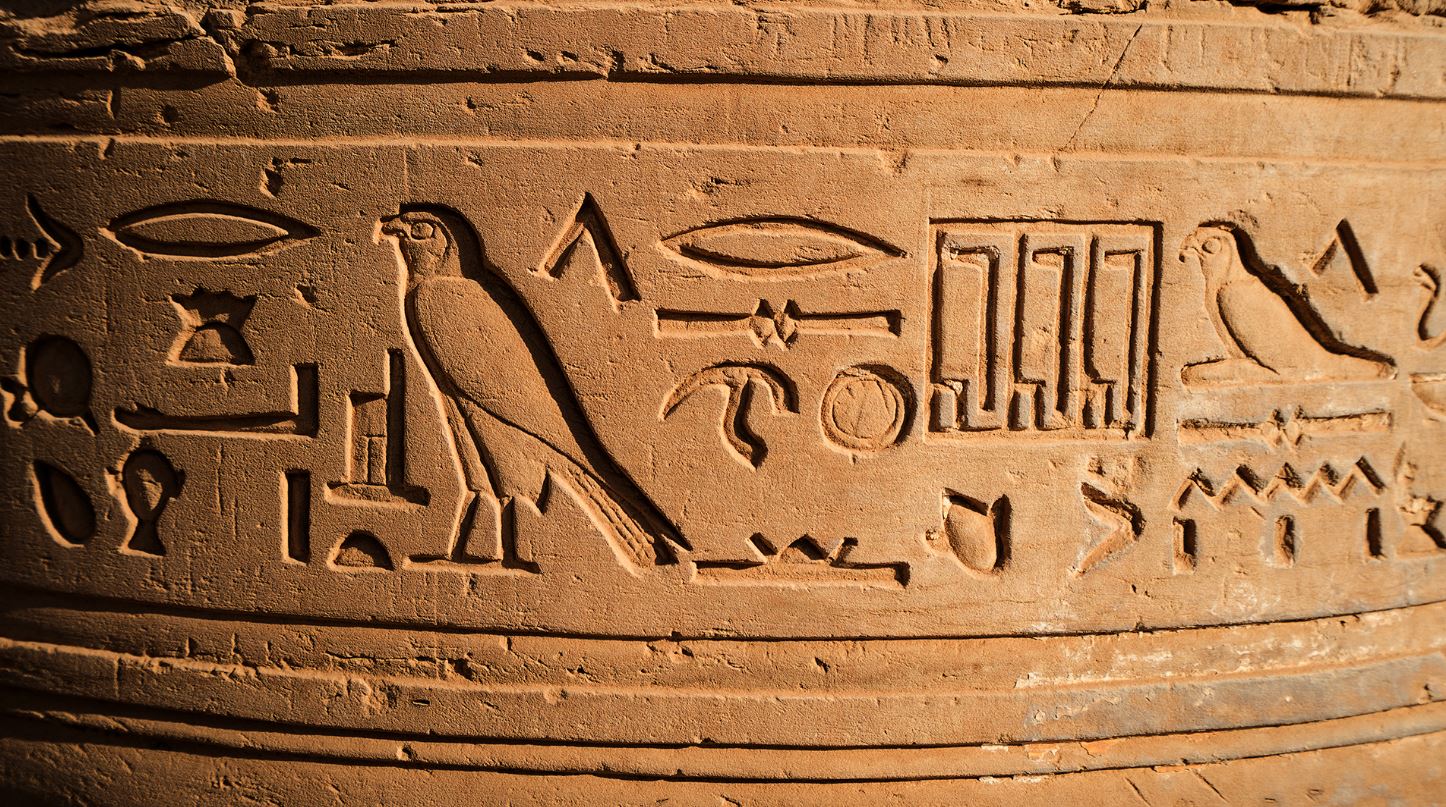
Writing changed attention itself. When ideas could be revised on a surface, thought could change direction without losing the earlier path. Laws stabilized, archives formed, and chroniclers began to argue with their predecessors. With script, a city could speak to its future readers and its future doubters. The past became negotiable, yet it also became accessible, and that paradox shaped every later library.
Households Powered Palaces
Courts and temples glazed the surface of power, but kitchens and courtyards kept it running. Food storage, weaving, brewing, and child care formed the economy that rarely earned a line in royal inscriptions. The small tools of daily life, spindle whorls and strainers and lamps, tell a story of innovation that never needed marble. Extended families pooled labor during harvest and shared risk during lean months. Kinship created safety nets that wove through alleys and rooftops, reaching farther than any decree could manage.
Archaeology of homes reveals choices about privacy, gendered spaces, and hospitality. Thresholds soften the boundary between street and room, benches invite neighbors to linger, and rooftop terraces host evening meals under patient stars. Palaces could command attention, but households commanded continuity, and their rhythms tuned the larger city to the needs of ordinary bodies.
Farming Crafted Cities From Mud, Salt, and Sunlight
Fields were laboratories where people tested timing and water, tools and seed. Some irrigated with canals that braided across level ground, others planted on flood recession soil that drank silt like medicine. Terraces climbed mountain flanks and turned slopes into stepwise gardens that resisted erosion. In dry regions, farmers stored rain in cisterns and guided dew with careful stone lines. The work looked repetitive from afar, yet each plot held micro decisions that balanced pests, fertility, and labor across a growing season that might refuse to cooperate.
Domesticated plants learned to tolerate pruning and transplanting, and humans learned to listen for their needs. Alongside crops, animals provided traction, meat, milk, and companionship. The barnyard shaped calendars as surely as eclipses. Festivals rose from seed time and harvest time, and songs helped groups lift together and remember instructions without written manuals. Agriculture began as survival and matured into culture, then culture fed back into survival again.
Calendars and Skies Organized Work and Wonder
Observation towers, aligned stones, sighting rods, and shadow marks trained communities to watch the heavens with patience. Sunrise points and lunar phases anchored civic time, while priests or observers predicted flood windows, planting days, and ritual nights. A calendar does more than count. It persuades people to agree on when to meet, when to rest, and when to hope. Sky lore braided mathematics with myth, so precision and storytelling became partners rather than rivals.
By mapping the heavens, cities mapped themselves. Procession routes mirrored constellations, shrine orientations answered to solstices, and royal anniversaries echoed celestial cycles. The night taught coordination, and coordination made stone move, whether as pillars, causeways, or corridors that caught a beam of light on one chosen morning. Astronomy began in wonder and ended in logistics, then looped back to wonder again.
Ceremony Turned Architecture Into Theater
Plazas housed processions that braided drums, incense, and color. Steps were choreography in stone, designed for the slow ascent of officials and the sudden hush of a crowd that expected signs. Ritual specialists staged renewals of kingship, planting, or cosmic balance. The audience knew the script yet waited for surprise, which arrived in the form of masked dancers, sacred vessels drawn from hidden rooms, or a precise ray of sunlight piercing an inner court. Architecture framed expectation and amplified sound, so the building itself became a performer.
Not every ceremony reassured. Some confronted fear and mortality with controlled danger, whether through athletic contests, trial by ordeal within symbolic bounds, or public lament that taught resilience. Communities rehearsed loss in order to endure real grief when it arrived. By choreographing emotion in shared space, people transformed private worry into common strength.
Textiles Worked as Portable Archives
Cloth carried status, affiliation, and memory across regions where stone carvings were rare. Patterns encoded identity, edges recorded skill, and dyes broadcast trading reach. Loom weights on house floors testify to tireless hands that transformed fiber into language without letters. Garments aged with their wearers, and the repairs added new lines to an old story. A cloak that moved through generations became an heirloom script that needed no alphabet to be read by its community.
Textiles recorded climate as well. Fiber choices responded to temperature and humidity, and weaving density adjusted to seasonal breath. In graves, rare fragments outlasted flesh and gave a last glimpse of color choices that once lit streets during festivals. The softness of cloth hides the discipline of its production, and this tension between comfort and rigor mirrors the wider tension between luxury and labor that shaped early cities.
Kitchens Built Health Systems Before Hospitals
Spices preserved, oils sealed, and fermentation protected communities from invisible threats that people sensed long before microscopes existed. Recipes were experiments disguised as tradition. Healers navigated the pantry for remedies, and cooks managed risk with boiling, drying, and careful storage. Clay ovens standardized heat, and grinding stones synchronized muscle and meal through morning rhythms that echoed across courtyards.
Feasting regulated alliances. Guests who ate together built claims on one another that lasted longer than any treaty. Portions signaled hierarchy, yet hosts understood that generosity buys peace more reliably than punishment. Over time, dietary rules grew, partly to honor gods and partly to safeguard bodies. The line between sacred and practical blurred, and communities survived because food knowledge traveled faster than famine.
Paths Across Mountains and Sea Tied Worlds Together
Switchbacks climbed ridges where llamas or donkeys carried panniers filled with salt, copper, resin, or dried fruit. Along coasts, paddlers learned seasonal winds and currents, while navigators read swell patterns at night with eyes and skin. Waystations offered water, stories, and repairs, and their keepers served as neutral hosts during tense seasons. A path is a promise that someone will come again, and repeated footsteps polished stones that now shine in afternoon light like worn coins.
Mariners stitched islands into chains of reciprocity. Shells reached deserts, obsidian crossed grasslands, and music followed both. When routes thickened, language borrowed terms for measurements and tools. The result was not a melting pot, it was a braid. Strands stayed distinct yet grew stronger together. Diversity proved practical before it became ethical, and cities prospered when they welcomed novelty without surrendering their roots.
Metals, Glass, and Pigments Reimagined Matter
Ores demanded fire and patience, so smiths learned the art of change. Furnaces turned ore into bloom, bloom into ingot, and ingot into blade or bead. Each step taught control, and control taught humility because a small mistake could ruin a week of work. Glassmaking arrived as a cousin craft, fragile yet bold, eager to catch light and color in vessels that seemed to hold a piece of sky. Pigments ground from minerals or plants adorned walls and bodies, brightening streets and sanctuaries with coded meaning.
Objects carried biographies written in scratches and shine. Repairs extended life, and repairs also revealed value because no one mends what no one cares to keep. Toolmarks became signatures that apprentices learned to recognize, so a community could tell which workshop shaped a dagger or a cup. Matter itself served as a ledger that tracked skill, exchange, and pride.
Play and Games Held Societies Together
Boards etched into steps and thresholds show how people filled idle minutes while waiting for grain or judgment. Dice taught probability through luck, and ball games taught balance, teamwork, and rhythm. Play traveled easily, so rules adapted across languages and landscapes. When tournaments coincided with markets or seasonal fairs, strangers became rivals and then friends. The social glue of play eased tensions that taxes and tariffs created.
Children practiced citizenship through games that mirrored adult tasks in miniature. They built clay houses beside real foundations, organized pretend markets with pebbles and leaves, and staged ceremonies for dolls dressed in textile scraps. Through play, knowledge flowed forward without formal classrooms, and cities renewed their expertise each generation without knowing they were teaching anything at all.
Law, Story, and the Quiet Machinery of Order
Codes carved on stelae held rules, yet daily fairness lived in the shaded corner where elders listened. Mediators valued repair over victory, and compensation mattered more than revenge. Stories taught the spirit behind the letter, so epics and fables worked as mobile courts that traveled in memory. A city that could turn quarrels into precedents grew resilient, because predictability lowers the temperature of fear.
Archives preserved verdicts, receipts, and boundary descriptions. Survey ropes and measuring rods stood as the modest guardians of peace. When a dispute arose, a careful map ended many arguments before they reached a judge. In this way, bureaucracy was not a villain but a survival tool that kept resentment from boiling over.
Climate Shifts Tested Every Plan
Long droughts, sudden floods, and cold snaps pushed systems to their limits. Communities answered with diversification, storage, and migration. Some pivoted to hardier crops, others reorganized labor so that work crews could repair canals faster after storms. When thresholds were crossed, people moved, sometimes by choice and sometimes by necessity. Movement did not always mean collapse. Sometimes it meant renewal somewhere else, with old ideas repotted in new soil.
Archaeological layers record these pivots with telling clues. Silt lines creep higher inside rooms, charred grain thickens in pits, and imported goods shrink in variety. The signs of stress are also signs of creativity. New pottery styles appear as households improvise, and substitute materials show how craft traditions bend rather than break. The past teaches that flexibility is a form of intelligence that can be measured in kilograms of saved seed and in the softness of a neighbor’s voice when help is requested.
When Cities Moved Without Leaving
Sometimes a community shifted its center while keeping its identity. A port silts up, so docks move downriver. A shrine loses favor, so another precinct rises where the crowd now gathers. Walls are not cities, people are, and people reroute around obstacles with elegance that maps often miss. Excavations find that the same place can be many cities stacked within each other like cups, each with a different heart and a different tempo.
Reused stones and recycled beams show that memory can be practical. Builders honored the old by making it useful, and the gesture stitched time together with joinery rather than rhetoric. What looks like ruin from afar can be a resource from up close. In this way, continuity survives through adaptation rather than through perfect preservation.
Animals as Partners in Statecraft
Herds supplied power and wealth, yet animals also carried symbols that shaped diplomacy and religion. Bulls and lions guarded gates in image, while real herds paid taxes in steps and breaths. Horse and camel expanded the radius of a messenger, and messenger speed expanded the reach of law. Falconry taught focus, and beekeeping taught patience. The stable was a quiet ministry where nutrition, logistics, and ceremony learned to collaborate.
Iconography reveals careful observation. Artists captured gaits and postures that speak of long familiarity. This intimacy sharpened respect, even when sacrifice or hunting took place within ritual frameworks. People knew that animals could outwit traps and outlast mistakes. Partnership grew from this recognition, and policy followed the lessons of hooves and wings.
Care, Illness, and the Craft of Survival
Healers mixed herbs, splinted fractures, and traced protective signs over doorways. Birthing stools, amulets, and bathing basins appear in layers where epidemics once raged. Communities learned quarantine by custom, and work groups rotated to keep production steady when households fell ill. Cemeteries reveal both sorrow and strategy, because grave goods and body positions map beliefs about protection and passage.
Medical knowledge traveled along with spices and resins. A remedy that worked in a coastal town could gain fame inland within a single season. Over generations, schools of healing formed, some within temples and some within families that guarded recipes like treasures. The line between faith and pharmacy kept shifting, and many lives were saved because people refused to choose between them.
The Afterlife as an Economy of Care
Burials stocked with food, tools, and writing materials show that communities invested energy in futures they could not see. Tomb paintings and carved reliefs outline ideal kitchens, gardens, and storerooms, which acted as promises to the departed and as instruction to the living. Mortuary workers managed donations, crafted containers, and scheduled rites that strengthened social ties among survivors. Death became a civic project that practiced generosity and remembrance at scale.
Grief trained carpenters, painters, and singers. It also trained accountants. Inventories associated with tombs display meticulous control that kept fraud in check and ensured that offerings reached their destination. By caring for the dead, the living learned to cooperate, and that cooperation spilled back into irrigation crews, guilds, and neighborhood watches.
What Fire Destroyed, Fire Protected
Conflagrations terrified, yet burned layers preserve a cross section of life with astonishing clarity. Collapsed roofs seal rooms, charred baskets keep their shape, and a fallen shelf locks a moment in place. Heat turns clay hard and kills insects, which leaves seeds, papyri fragments, and fibres intact far longer than peace ever could. Disaster archivists rarely intend to create collections, yet history often thanks them with legibility.
When excavators meet such layers, they face a gift that must be handled with restraint. Every brush stroke becomes an ethical choice, because haste risks smearing a final gesture made by someone who never imagined an audience in a far future morning. Respect turns method into ritual, and documentation becomes a vow to listen closely before speaking on behalf of the silent.
Lessons for Builders of the Next Century
Ancient cities teach that redundancy beats fragility, that mixed economies beat monocultures, and that public space nourishes resilience. They show that information thrives when copied, that fairness reduces the cost of guards, and that cooperation scales when ritual and rule work together. They remind us that climate surprises are normal, and that success belongs to those who practice a graceful pivot.
They also teach courtesy toward time. Materials should be chosen with repair in mind, records should be kept in more than one medium, and streets should welcome the stranger without erasing the neighbor. The best monument is a habit that preserves dignity during stress. The past does not demand imitation. It offers templates for patience and for courage.
The Quiet Future Inside Old Foundations
Walk any riverbank where reeds whisper against slow water and you can feel an outline of choices made long ago. People assembled calendars out of shadows, neighborhoods out of chores, and trust out of repeated greetings at the same corner. Their work surrounds us in broken walls and borrowed words. If we study their experiments with clear eyes and generous hearts, our own cities can remember how to bend without breaking, how to share without fear, and how to build so that tomorrow recognizes itself when it looks back across the long mirror of time.