

Threads That Remember the Wind
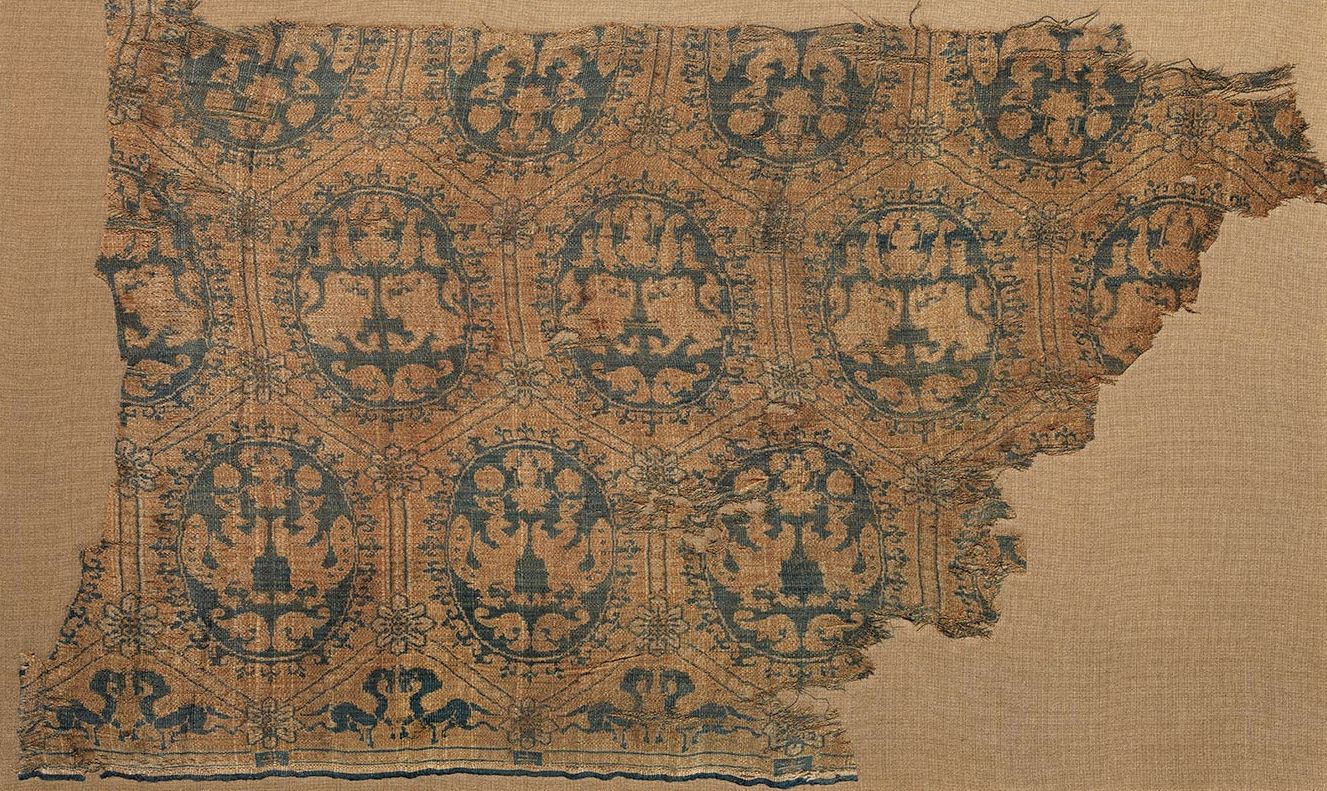
Ancient hands spun plant and animal fibers into memory, status, and shelter across forgotten centuries
Before Cloth Had a Name
Fibers began as gathered fragments of grass and bark that softened when soaked in river water and twisted when rolled between palms, and from that small accident of curiosity came a thread that changed how people dressed, carried, and dreamed, because to twist a fiber is to invent patience and to imagine continuity where the world once broke easily.
Flax and the Gift of the Riverbanks
Flax grew best beside slow water where silt stayed rich and cool, its stems tall and narrow, its flowers modest and blue, and people learned to soak the stalks until inner fibers freed themselves from woody husk, a process of waiting and rinsing called retting that left a smell of earth and growth mixed, and from those filaments came linen smooth enough to clothe both royalty and burial alike.
Wool and the Shepherd’s Patience
Domesticated sheep gave warmth long before they gave wealth, and shepherds learned that the soft undercoat held finer threads than the outer fleece, which led to combing and spinning that tamed the curl of fiber into steady cord, and when dyed with plant pigments and iron salts the wool carried hues of soil, rust, and twilight that lasted through generations of washing and wear.
Cotton and the Soft Geometry of Pods
Cotton plants spread from dry plains where their white bolls burst like small clouds, and fingers teased lint from seed while wooden gins and bowstring beaters appeared centuries later to speed the work, and once twisted into yarn, cotton offered a comfort that linen could not, absorbing dye with eagerness and breathing against the skin of those who lived under hotter suns.
Silk and the Whisper of Worms
In secret valleys, mulberry leaves fed the caterpillars that spun themselves into shimmering prisons, and patient spinners boiled cocoons in small kettles to unwind the endless filament, each strand so fine that a thousand made a thread, and from that practice rose fabrics that shone like captured water, traded along roads that linked empires through touch and desire more than words.
Tools That Guided the Hand
Spindles weighted with stone or clay whorls kept twist steady as fingers fed fiber into rotation, distaffs held bundles near reach, and loom weights anchored warps to the floor while wooden swords beat weft tight, each tool improving control until weaving became less a task and more a dialogue between tension and release, structure and softness.
Weaving as Architecture in Miniature
A loom is a frame that holds potential, its warp strings the scaffolding of a building waiting for walls, and each weft thread crosses like bricks set one by one, so that fabric becomes both pattern and structure, a deliberate order that traps air for warmth, reflects light for beauty, and teaches that strength can arise from nothing more than intersection and repetition.
Patterns as Memory and Speech
Motifs woven or embroidered into cloth told stories that words forgot, diamonds marked protection, zigzags warned of rivers and boundaries, and repeating spirals whispered about fertility and return, and travelers carried fragments of these signs between lands where language shifted but design endured, an unspoken grammar of cloth that could cross borders without translation.
Dyes and the Chemistry of the Wild
Before synthetic vats, color came from patience, crushed roots yielded ochre and red, indigo leaves fermented into blue foam that stained everything it touched, and murex snails offered purple so costly that only rulers could afford its glare, while mordants from ash, alum, or urine fixed hues into threads that remembered their origin long after the hands that dyed them were gone.
Textiles as Currency and Covenant
Cloth measured value where coin was scarce, bolts traded for livestock or favor, bridal payments counted in woven sheets, and temple offerings wrapped in folded linen served as both devotion and display, so that the loom stood beside the altar as a quiet accountant of wealth, virtue, and promise.
Clothing the Dead and the Divine
Burial shrouds of linen bound mummies for eternal journeys, woven bands wrapped idols and sacred poles, and fringed veils hid faces during rituals that blended the human with the unseen, and through these fabrics the living negotiated with death and mystery using texture rather than speech, wrapping silence in pattern to make it bearable.
Embroidery as Written Emotion
Needles carried colored thread through linen, silk, or wool, each puncture a word in a sentence of devotion or longing, and stitches followed contours of beasts, flowers, and stars, layering meaning into decoration, while across households and workshops women’s fingers became libraries of gesture where each motif recorded lineage, loss, or prayer in thread instead of ink.
Loom Songs and the Rhythm of Work
Weavers often sang to keep pace with the shuttle, verses matched the cycle of beat and turn, and the melody kept arms even when fatigue crept in, while listeners outside could tell the progress of a day by the changes in tune, so the sound of fabric being born became part of community life as clearly as bell or drum.
Trade Routes Woven from Thread
Caravans carried bolts of patterned fabric across deserts and over passes, merchants valued textiles not only for their beauty but for their durability and packability, and ports filled with bales that smelled of dye and salt, spreading techniques like tapestry, brocade, and ikat through imitation, experiment, and chance encounter at crowded stalls.
Textiles in Architecture and Space
Hanging curtains divided rooms, awnings stretched between poles became portable shade, and sailcloth converted homes into ships and ships into moving homes, proving that fabric could define space as firmly as stone could, yet remain flexible enough to fold away when the season or need changed.
Archaeology of Fragile Threads
Few textiles survive the centuries, yet impressions in clay, mineralized weaves on metal, and desert burials where dry air froze decay reveal the weave density, twist direction, and dye palette of vanished workshops, and modern analysts peer through microscopes to read those remnants like codes that spell out forgotten economies and aesthetics.
Spindle Whorls as Portable Records
Carved designs on whorls often carry motifs unrelated to decoration, some show stars, others carry maker marks, and their wear patterns tell whether a spinner worked fast or slow, clockwise or counterclockwise, and from these humble discs archaeologists reconstruct the tempo of craft, an intimacy otherwise erased by time.
Repair as Evidence of Care
Patches sewn with neat precision show that cloth once valued as daily skin deserved rescue, darning threads cross worn places with deliberate contrast or near invisibility, and each repair reaffirms a relationship between user and object that modern disposable habits have forgotten, transforming weakness into record rather than shame.
Gendered Hands and Shared Skill
In many early societies, textile labor carried both domestic and political weight, women organized production that supported trade and dowry networks, while men maintained looms for sailcloth and harness, yet in every culture the skill demanded discipline, coordination, and judgment, proving that mastery of fiber granted authority as real as ownership of land.
Ritual and Identity in Cloth
Festive garments reserved for seasonal rites carried threads spun under specific moons, dyed with certain roots gathered only after rain, and worn only once before storage or sacrifice, and through repetition across generations these acts built identity where genealogy blurred, ensuring that each pattern served both ancestry and renewal.
Weaving Knowledge Into Myth
Legends describe deities who weave the fate of mortals, each thread a lifespan, each knot a choice, and such imagery echoes real craft, since weavers control tension as gods might control time, and the shuttle moving back and forth mirrors the alternation of day and night, turning daily labor into cosmic metaphor without sermon or script.
From Fiber to Fabric to Symbol
Textile creation mirrored growth itself, a seed became a stalk, a stalk became fiber, a fiber became line, and the line became surface, and at each stage the maker exercised both technical control and creative impulse, so that weaving became not only a way to cover the body but a discipline to connect intention, material, and patience.
Textile Technology as Catalyst of Society
The spinning wheel’s arrival multiplied productivity, treadle looms allowed broader fabrics, and pattern harnesses opened the path toward mechanical computation, because the logic of warp and weft inspired later inventors who saw in punched cards and coded sequences the same principle that guided threads through ordered arrays.
Preservation Through Reproduction
Modern artisans replicate ancient techniques to study tension, dye chemistry, and weaving rhythm, using replica looms built from excavated models, and in doing so they recover sensory knowledge, the pull of fiber, the sound of the shuttle, and the subtle resistance that teaches balance, breathing life back into skills that would otherwise survive only in photographs and footnotes.
Interpreting Cloth Beyond Function
To study ancient textiles is to study everything at once, agriculture that grew the fiber, trade that carried the dye, religion that sanctified the pattern, and social order that assigned who could wear which weave, making fabric not just artifact but document, an unwritten history stitched through centuries of hands.
Legacy of Thread in Language and Thought
Our speech still recalls those looms, we speak of the fabric of society, of spinning tales, of following threads through problems, of unraveling mysteries, and each phrase betrays a memory older than paper, showing that human thinking itself once moved to the rhythm of warp and weft beneath a roof that smelled of dye and labor.
Discoveries That Changed Understanding
Finds from deserts, bogs, and frozen tombs have redrawn the timeline of textile innovation, revealing woven patterns millennia older than once imagined, and each discovery humbles assumption, proving that soft materials can carry harder evidence of intelligence than stone tools alone, if only preserved by accident or luck.
Weaving as Mathematics of Touch
Every loom embodies geometry, each intersection follows countable ratios, and symmetry controls beauty as much as function, and though ancient weavers did not name equations, they worked through intuition of number and rhythm, expressing order with fingers long before formal arithmetic claimed invention of pattern.
From Local Craft to Global Heritage
Communities across continents still weave with hand looms powered by foot and mind, sustaining techniques that outlasted empires, and their fabrics travel again, now labeled as art or tradition, but at heart they remain acts of continuity that link modern makers to ancestors who first noticed how twisted fiber could hold a world together.
The Quiet Resilience of Thread
Even when buried, burned, or eroded to ghost impressions on clay, textiles keep whispering through texture and trace, reminding us that civilization began not with monuments but with patience, that the first fabric joined human skin to the world, and that every knot tied against fraying stands as a small promise that memory can be mended as surely as cloth.